How does cable drain cleaning clear pipes?
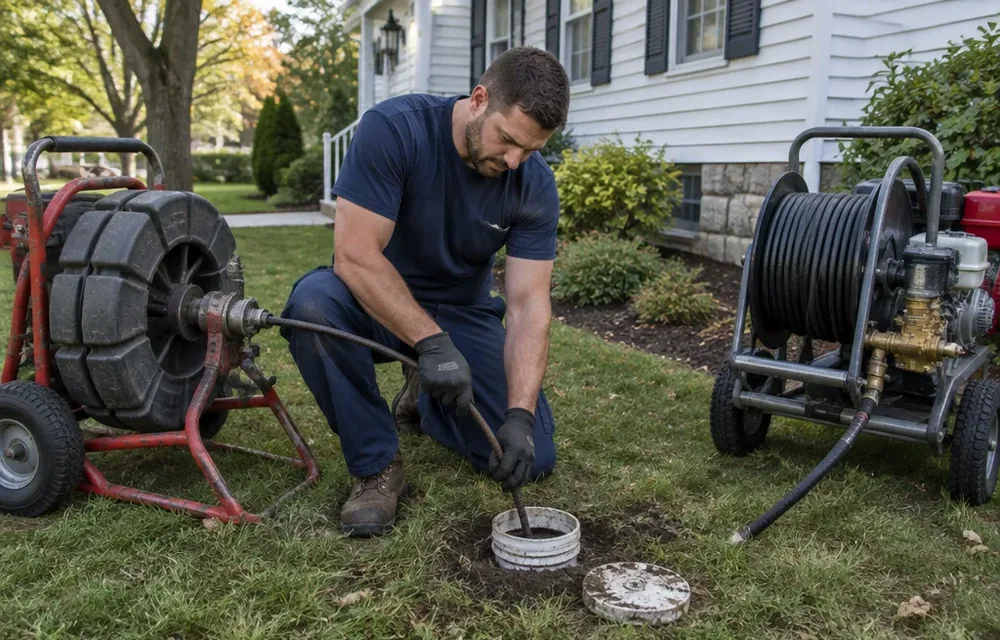
Cable action: Cable drain cleaning clears pipes by feeding a rotating cable with a cutting head through a cleanout toward the blockage. Cable drain cleaning cuts paper, soap, hair and small root masses, then pulls debris back rather than packing it farther downstream.
Feel for the blockage: The cable gives feedback through the hands as it meets soft buildup, dense grease or a hard offset, so the operator senses what the line holds. That feel guides head changes and pass counts, and it shows when the bore opens enough for fixtures to drain. See clogged drain patterns and slow tub causes for the symptoms we match to cable work.
Retest under load: After cutting, we run several fixtures together and flush toilets while watching low drains for lingering slowness. Flow that stays strong across the group proves the path holds for now. Flow that fades again within days points to wall film or roots that need scouring or video proof through sewer line repair planning.
How does hydro jetting scour the pipe wall?
Jetting action: Hydro jetting scours the pipe wall with rotating water streams that wash grease, soap film, scale and fine roots from the full bore. Hydro jetting cleans the circumference rather than punching one path, so paper stops snagging on residue after the pass.
Pressure matched to pipe: Nozzle choice and pressure follow pipe material and camera findings, with sound plastic and cast iron taking a stronger wash than thin or cracked sections. We work from downstream toward upstream so loosened material flushes to the main. Learn when pressure fits in hydro jetting service notes and why video comes first in whether a camera is worth it.
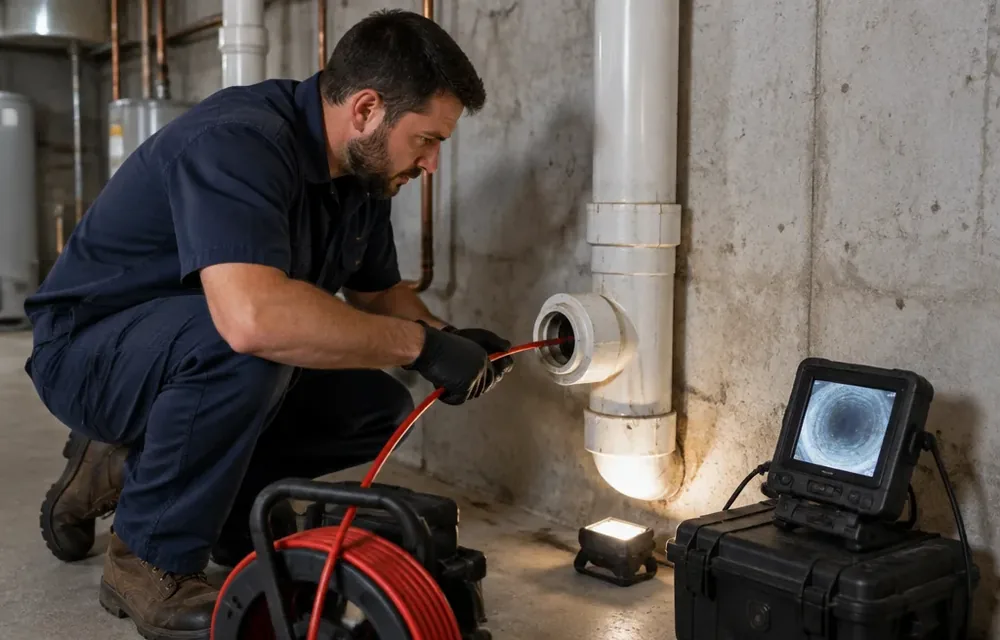
Proof on video: A return camera run after jetting shows a round bore with distance marks and reveals bellies, offsets or breaks that buildup had hidden. That proof separates lines that will run clear for a long stretch from lines that need section work. Discharge is controlled at the cleanout so interiors and soil stay clean during the wash.
What causes repeat clogs and how to tell them apart
Clog causes: Repeat clogs come from grease sheets, soap and lint film, scale on older interiors, fine roots at joints, and wipes or paper catching on any of those surfaces. Repeat clogs that return to the same fixture point to local buildup, while trouble that moves between fixtures points farther down the branch or main.
Grease versus roots: Grease clogs feel slow and heavy in kitchen mains, with gurgling that worsens after dishwashing and a cable that returns yellow film. Root trouble shows as whole house slowing that returns on a schedule, with cable work that pulls back pale tails. Note which fixtures connect and how fast trouble returns, because that pattern sizes the fix. Compare gurgling drain signs and backed up sewer signs while you track symptoms.
Soft plug versus structural fault: A soft plug from hair or food clears and stays clear for months when habits change. A belly holding water, an offset joint or a cracked wall reclogs within weeks no matter how careful use becomes. Camera video with standing water or a visible lip proves structure rather than habit, and that finding moves the plan from cleaning toward sewer line repair rather than another cable pass.
What to do in order when drains slow
Ordered steps: Ordered steps for slow drains start with stopping water use at the lowest affected fixture and noting which fixtures share the symptom. Ordered steps protect the home from backup while giving the visit a clear map of branch versus main trouble.
Try only safe basics: Plunge a single slow fixture by hand, clear hair from the stopper, and remove and rinse the trap only where it comes apart without tools and without opening concealed piping. Stop using chemical openers that endanger skin and the next person who opens the trap. If more than one fixture gurgles or sewage appears low in the home, stop water use and call (978) 592-1168 rather than opening walls. Review drain cleaning basics and emergency plumber guidance while you wait.
Let cable lead and camera decide: Allow cable work first to restore flow, then ask for a camera look when trouble returns fast or affects the whole home. That sequence keeps equipment matched to evidence and avoids pressure on a weak span. Keep a short log of dates, fixtures and what the cable returned, because that history tells whether scouring or repair planning through the cost guide comes next.
Cable cleaning versus jetting compared
Comparison frame: Cable cleaning versus jetting differs in goal, with cable work reopening flow and jetting restoring the full bore. Cable cleaning versus jetting also differs in timing, because cable leads and jetting follows only after the line proves sound enough for pressure.
Read the rows: Use the table below to match your symptom history to the sounder choice. Single fixture plugs with no history lean cable, while grease lined kitchen mains and root haired joints with scheduled returns lean jetting after a camera check. Structural defects lean repair no matter how tempting another cleaning pass feels. Pair the table with hydro jetting details and drain cleaning notes for service specifics.
Cost and access notes: Cable work generally needs less equipment and setup, while jetting needs water supply, hose staging and pre and post camera runs. ProMatcher MA cost report figures as third-party estimates put drain clearing at about $158 and camera work at about $317, which helps frame why video plus scouring scopes differently from a single cable pass. Access through a ground level exterior cleanout keeps either option simpler than pulling toilets or opening walls.
| Choice | What it does | Best fit | Limits |
|---|---|---|---|
| Cable cleaning | Rotating head cuts a path and pulls back debris | Single fixture plug and hard blockage needing flow now | Leaves wall film that can regrow and snag paper |
| Hydro jetting | Rotating water scours grease and fine roots wall to wall | Sound grease lined or root haired line with scheduled returns | Needs sound pipe and camera proof before pressure |
| Cable plus camera | Restore flow then record condition with distance marks | Repeat trouble and whole home slowing needing proof | Adds a video step before the long term plan |
| Repair after video | Fixes belly, offset or break that cleaning cannot correct | Standing water or broken wall shown on camera | Moves beyond cleaning into permitted repair work |
Why Chelmsford area lines clog on schedule
Local pattern: Chelmsford area lines clog on schedule because mature maples and oaks send fine roots into older clay and concrete joints, while long cool basement runs let kitchen grease set well before the street. Chelmsford area colonials and capes often share wet vents added during remodels, so hair and soap slow whole bathroom groups at once.
Water and housing mix: Town supply through the Lowell Regional Water Utility system carries mineral content that lays scale on older cast and galvanized interiors, giving grease a rough surface to grip. Laundry lint and powder residue add a coat that narrows the bore a little more each season. Homes near Lowell with stacked baths and homes near Acton under street trees show the same pairing of roots outside and film inside, while Concord colonials add layered remodel history to the mix.
Habit pressure: Disposals that take starchy foods, coffee grounds and fibrous peels daily feed the layer faster than strainers and trash habits do. Wiping pans to the trash, running full hot flow after dishwashing and keeping wipes out of toilets slow the return after any cleaning. Tell dispatch about trees, pipe material and return interval, because those local facts shape whether the visit stages cable, camera or jetting through sewer line repair planning.
Limits neither method can fix and when to call
Cleaning limits: Cleaning limits appear when the pipe itself has failed, with collapse, severe belly, badly offset joint or open crack that snags paper no matter how clean the wall becomes. Cleaning limits also apply to dry trap odor, roof vent blockage and septic tanks due for pumping, where the bore was never the fault.
Call signals: Call (978) 592-1168 and stop water use when sewage backs up low in the home, when the same main slows within weeks of clearing, or when camera video already showed standing water or a break. Describe which fixtures connect, what the cable returned last time and where backup appears first. That account lets the visit bring the right cable, camera and jetting gear without repeat trips. See emergency plumber help and what moves the price for context before the visit.
Massachusetts rules: Drain and vent work in Massachusetts follows 248 CMR, the Uniform State Plumbing Code, with the Board of State Examiners of Plumbers and Gas Fitters governing who may open and alter sanitary piping as listed on mass.gov. We protect traps and vents during clearing, refit cleanout caps and leave a note of distance and material. Where video reveals structural defects, we explain permit and inspection steps through the local inspector before repair planning.
Near you
When to call
Related guides
Frequently asked questions
Is hydro jetting better than snaking a drain?
Jetting is better only for sound lines with wall buildup, while snaking remains the sounder first step to restore flow. Snaking punches through blockage and feels the obstruction, which proves where trouble sits. Jetting then scours grease and fine roots wall to wall once camera shows the pipe can take pressure. Bellies and breaks need repair rather than either cleaning method.
How do I know if my clog is grease or roots?
Grease shows as slow kitchen drainage that worsens after dishwashing, with yellow film returned on the cable. Roots show as whole home slowing that returns on a schedule, with pale tails on the cable and trouble after rain growth seasons. A camera look with distance marks settles the call. Note fixtures, timing and return interval before you book.
Will jetting damage old Chelmsford pipes?
Jetting is safe for sound pipe when nozzle and pressure match material and camera findings. Cracked, collapsed or thin wall sections should not take full pressure and need repair planning instead. That is why cable work and a pre jet camera run come first. The return video proves a round bore or marks the defect that pressure cannot fix.
Why does the same drain clog every few months?
The same drain reclogs because film, scale or roots narrow the wall and snag paper again after each cable pass. Habits such as grease, wipes and starchy disposal loads feed the layer. A camera inspection shows whether jetting will hold or whether an offset or belly needs section repair. Keep a log of dates and fixtures to guide the choice.
Do I need a camera with drain cleaning?
A camera is needed when clogs return fast, when several fixtures fail together, or before planning jetting or repair. Video shows roots, bellies, offsets and breaks with distance marks so work targets the right section. It also proves when cleaning alone will hold. Read our camera guide and bring prior clearing history to the visit.
Still stuck?
Describe what you see when you call and a local specialist will guide the next step.