
Why does the license check come before any work?
Plain answer: Massachusetts restricts plumbing and gas fitting to qualified license holders, so confirming a contractor license status protects the home, the insurance position, and the resale record. Unpermitted or unqualified work can fail inspection, complicate a future sale, and leave defects with no clear path to correction. A few minutes of checking before work starts costs nothing and filters out the riskiest offers.
What the check actually proves: a current license status shows the holder met state qualification requirements and remains in good standing with the Board of State Examiners of Plumbers and Gas Fitters. It does not by itself prove availability, neatness, or fair dealing, which is why references, written scope, and permit handling still matter. Treat the license lookup as the entry screen every contractor must pass, then judge craftsmanship and communication on top of it.
Where homeowners go wrong: many hiring mistakes come from skipping verification under time pressure, especially during active leaks when any help sounds good. Another common error is accepting a business card or a truck sign as proof, since cards and signs are printed by anyone while the state record is the authority. Run the lookup yourself with the exact name and license details the contractor provides, and keep the result with the project papers.
What does the Board of Plumbers and Gas Fitters oversee?
Direct answer: the Board of State Examiners of Plumbers and Gas Fitters is the Massachusetts state authority that qualifies and disciplines plumbers and gas fitters, and its records are the reference for verifying a contractor license status. Plumbing work in the state falls under 248 CMR, the Uniform State Plumbing Code, with gas fitting governed under the related gas rules. Local inspectors enforce the code on individual jobs, while the Board governs who is qualified to perform the work.
License tiers in plain terms: Massachusetts distinguishes between journeyman-level license holders, who perform the work, and master-level holders, who may operate a business and pull permits for jobs. Hiring inquiries should establish which level the person doing and supervising the work holds, since the distinction affects who may contract for the job. Apprentices learn under supervision and do not substitute for a license holder when the rules call for one.
How to use the state lookup: search the state license verification records using the full name and license information the contractor supplies, and confirm the status shows current with no unresolved discipline that concerns you. Match the name and trade exactly, since similar names across trades cause false comfort when the lookup is done loosely. If the record cannot be found or the details do not match what was provided, pause the hiring and ask for clarification before any work or payment is discussed. For context on which tasks need a license holder at all, see homeowner plumbing rules.
How to verify any contractor you are considering
The process: collect the full business name, the license holder name, the license type and number as stated, and a certificate of insurance, then check each item yourself. Confirm license status through the Board records, confirm the business identity matches the paperwork, and ask the town permit office whether the planned work needs a permit and inspection. Contractors who welcome these steps are showing how legitimate work is arranged, while resistance to verification is itself an answer.
Questions to ask before agreeing: ask who will actually perform the work and who supervises it, what license level that person holds, whether the quoted scope needs a town permit, who pulls the permit, and how inspection sign-off is documented. Ask how change orders are priced in writing, what the payment schedule follows, and what written warranty covers labor. Clear answers in plain terms, given without irritation at being asked, mark a contractor who expects informed customers.
Paperwork worth keeping: keep the written scope with materials and fixture models named, the permit card and inspection outcome, dated receipts tied to milestones, and any warranty terms with contact details. Photograph the work areas before covering walls or floors, since photos settle later questions about routing and valve locations. Store the license details you verified alongside these papers so a future buyer or insurer sees a documented job rather than a story.
| Check | Where to confirm | What passes |
|---|---|---|
| License status | Board of State Examiners records | Current status matching the exact name and trade |
| Business identity | Written paperwork and insurance certificate | Names match across card, contract, and certificate |
| Permit need | Town permit office | Clear yes or no with inspection steps named |
| Scope and price | Written proposal | Materials, milestones, and change handling spelled out |
| Sign-off | Inspection record | Documented approval before final payment |
Where the town permit office fits in
Short answer: the town permit office, working with the local plumbing and gas inspector, decides whether a job needs a permit and confirms the finished work meets code through inspection. Chelmsford homeowners arrange this through the town offices before piping is altered, drains are moved, or gas work is planned. A contractor who handles permits routinely will name the office, the likely inspection points, and the timing without hedging.
Which jobs usually involve permits: altering supply or drain piping, moving fixtures and vents, replacing a water heater or boiler, adding gas piping or appliances, and sewer line work commonly need permits with inspection, while simple like-for-like soft parts such as a flapper or aerator do not. The town office gives the definitive answer for a specific address and scope, so confirm rather than guessing from lists. Emergency make-safe work still gets documented and permitted as the inspector directs once the immediate hazard is controlled.
How inspection protects the homeowner: the inspector checks trap and vent practice, shutoff access, scald protection, gas piping method, and venting of fuel-burning equipment against the state code. Failed items get corrected before sign-off rather than surfacing during a later sale inspection. Keep the signed record with the house papers, since documented permits and approvals answer buyer and insurer questions years later. Work finished without a required permit can require reopening walls for inspection, which costs far more than permitting did.
Warning signs that should slow a hiring decision
Blunt answer: reluctance to share license details, pressure for large cash payment upfront, no written scope, and door-to-door offers after storms are the classic warning signs. Any one of them justifies pausing, and two together justify walking away. Legitimate contractors expect verification and put scope, materials, and milestones in writing without being pressed.
Pressure and payment patterns: demands for full payment before work starts, cash-only terms with no receipt, and today-only discounts that punish checking the license record all serve the contractor rather than the home. Reasonable schedules tie payments to visible milestones with a holdback until inspection sign-off. Vague allowances for materials that should have been specified, plus verbal promises that never reach the written page, create the disputes that permits and paperwork prevent.
Scope and supervision gaps: quotes given without looking at the actual piping, promises to skip the permit to save time, and unclear answers about who performs the work each signal trouble. Subcontracting is not itself wrong, but the homeowner should know who is on site and which license holder supervises. If the person selling the job cannot name the person doing the work, the hiring is not ready to proceed. Households comparing service options can review plumber hourly rate context and emergency plumbing cost context for background on how scope shapes pricing.
Hiring notes for Chelmsford and nearby towns
Local answer: Chelmsford-area hiring follows the same state rules everywhere, with town offices handling the local permit side for each address. Chelmsford homeowners confirm permit needs through the Chelmsford town offices, while neighbors in Lowell, Billerica, Westford, and Tewksbury confirm through their own town or city offices. The state license lookup stays the same regardless of town, since the Board record covers the whole state.
Housing stock and scope honesty: colonials near the Center with mixed pipe metals, capes with added baths, and finished basements with hidden routing all reward contractors who inspect before quoting scope. Older stops, buried cleanouts, and layered remodels change labor and access, so a careful site look with the license check beats a fast phone figure. Homes in Acton, Concord, and Carlisle with well-influenced water add treatment and sediment questions that belong in the written scope rather than as surprises mid-job.
Describing the job well: clear problem descriptions get better proposals, so note which fixtures are affected, what tests you already ran, and whether the trouble is sudden or gradual. Mention related symptoms such as low water pressure patterns or running toilet behavior, since combined clues steer the site visit. Written photos of the areas involved, sent before the visit where practical, help the contractor arrive with suitable parts and access plans.
Limits of this guide and when to call
Plain limit: this guide explains how to check credentials and arrange permits, but it does not recommend any contractor and makes no claims about who readers should hire. Every hiring decision stays with the homeowner after running the checks above. General guidance here cannot substitute for the town office answer on a specific address or for legal advice on a contract dispute.
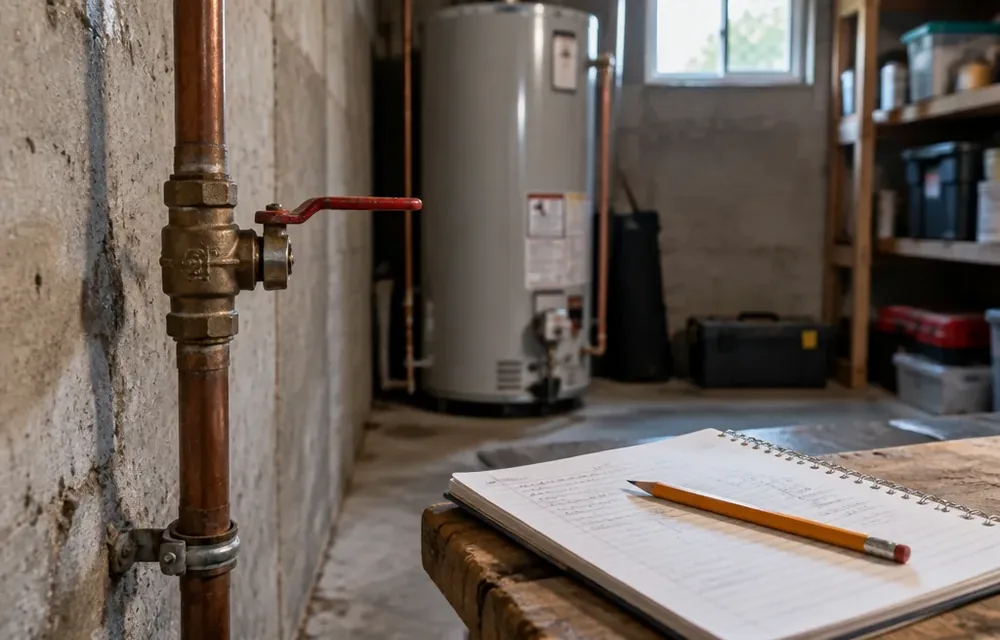
When calling beats comparing: active leaks, sewage backing into fixtures, no heat in freezing weather, and any gas odor need action before extended contractor shopping. Stabilize first by closing the nearest valve or the main, keep clear of hazards, and call (978) 592-1168 with the symptoms and what you have already shut off. Verification still matters for the permanent repair, but the make-safe step comes first and the permit record follows as the inspector directs.
After the work: confirm inspection sign-off is documented, collect marked-up notes on valve and cleanout locations, and file the license details, permit card, receipts, and warranty together. Test every fixture involved before final payment, including hot and cold, drainage, and shutoff behavior. A documented job with verified credentials and signed inspection is the outcome this whole process exists to produce.
Near you
When to call
Related guides
Frequently asked questions
How do I check a plumber license in Massachusetts?
Verify the license status through the Board of State Examiners of Plumbers and Gas Fitters using the exact name and license details the contractor provides. Confirm the status shows current and matches the trade doing your work. Then ask the town permit office whether the planned job needs a permit and inspection, and keep both results with the project papers.
What should I ask a plumber before hiring?
Ask who will perform and supervise the work, what license level that person holds, whether the scope needs a town permit, who pulls it, and how inspection sign-off is documented. Ask for a written scope naming materials, a milestone payment schedule, and written labor warranty terms. Clear written answers without irritation at being asked mark a contractor who expects informed customers.
Do small plumbing jobs need a permit in Massachusetts?
Simple like-for-like soft parts such as a flapper or aerator generally do not, while altering piping, moving fixtures or vents, replacing heaters and boilers, gas work, and sewer work commonly do. The town permit office gives the definitive answer for a specific address and scope. Confirm before work starts rather than guessing, since unpermitted alterations can require reopening walls for inspection.
What are red flags when hiring a plumber?
Reluctance to share license details, pressure for large upfront cash payment, no written scope, vague answers about who does the work, and promises to skip permits are the main warning signs. Door-to-door offers after storms deserve extra caution. Any one of these justifies pausing the hire, and resistance to verification is itself an answer about how the job would go.
Still stuck?
Describe what you see when you call and a local specialist will guide the next step.