How does gas line installation cost take shape?
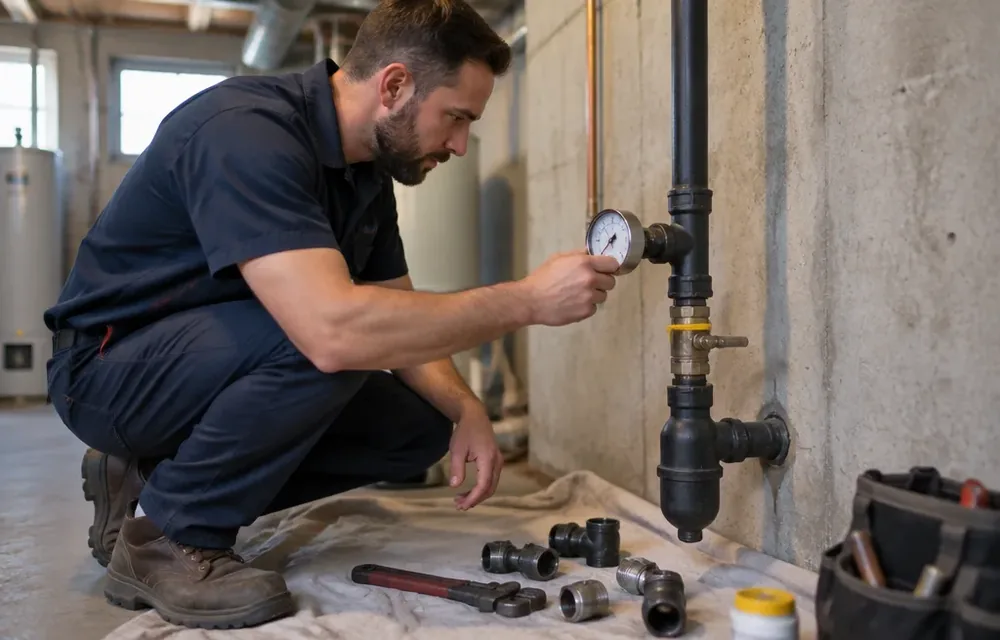
Scope shape: Gas line installation cost takes shape from engineering first and footage second. The visit starts by reading every appliance input rating on its plate, tracing existing branches to the meter, and measuring the longest run that sets pressure drop. Total connected load with diversity, plus any future appliance you plan, sizes the branch and manifold before any pipe is cut. That load math explains why two kitchens at equal distance can scope differently once boiler, water heater, dryer, and fireplace loads join the range on the same system.
Materials and details: Beyond footage, the plan includes pipe and fittings to spec, shutoffs within reach at each appliance, sediment details where required, sleeves through masonry, protection plates where pipes pass framing, bonding for listed tubing systems, and supports along the run. Appliance connectors of correct length and rating finish the work, since reusing an old connector for a new appliance is poor practice. Each detail takes parts and time that footage alone never shows, which is why short runs with several terminations can scope near longer runs with one.
Permit, test, and inspection: Gas piping in Massachusetts needs permits, pressure testing with gauge proof, and inspection before appliances go into service, with utility coordination where the meter is affected. Filing, test setup and hold time, correction of any drop, leak checks with instruments and solution at every joint, firing each appliance, and verifying draft and carbon monoxide readings all sit inside the visit. That test and inspection path is described before cutting in gas piping service notes, and it protects you at resale and with insurance far beyond the day of work.
What drives gas piping scope up or down?
Length, load, and access: Length, load, and access move gas line installation cost together. A short branch in an open basement to one range differs greatly from a long run fished through finished ceilings to a far kitchen while the boiler fires on the same manifold. Total connected load at peak fire, the longest run from the meter, and whether ceilings and soffits must be opened and patched decide diameter and labor far more than room-to-room distance. Note the appliance plate ratings and the run path through joists when you describe the job, because both size the pipe.
Material choice and protection: Threaded steel with proper joint compound, support, and drip legs remains the baseline for exposed basement work with room to thread and test. Listed corrugated tubing with manifold fittings fishes through finished joists with fewer joints and suits remodels where opening ceilings is costly, while needing correct bonding, protection, and support to spec. Sleeves through masonry, protection plates at framing passes, sediment traps, shutoffs, and pressure-test points each add parts and time beyond footage. The remodel route often decides the material, and the material then shapes the labor behind gas piping plans.
Appliances, meter, and timing: Each added appliance adds a termination with shutoff, connector, leak checks, and firing tests, so a manifold feeding range, dryer, and fireplace scopes beyond a single-appliance branch of equal length. Meter capacity and utility coordination where service changes enter the picture, plus inspection scheduling around appliance delivery, shape timing across days rather than hours. Like-for-like appliance swaps on sound branches with existing shutoffs still need code-correct connectors and leak checks. Tell dispatch the full appliance list and any future plans so sizing holds when the next unit joins the manifold.
Gas piping paths compared side by side
Comparison frame: Gas piping paths differ in where joints sit, how the run crosses finished space, and what testing each needs. Threaded steel keeps joints accessible in open framing, listed tubing reduces joints through finished joists, and connector correction fixes the last three feet where most appliance swaps actually fail. The right path follows the route and the load rather than habit, and gas line installation cost follows that choice. The table below lays out common paths so trade offs stay clear before anyone opens a ceiling.
Read the rows: Use the table to match your project to the sounder path. A new range beside an open basement manifold leans threaded steel, while a far kitchen through finished ceilings leans listed tubing fished with protection. A tired connector or a shutoff hidden behind fixed panels leans correction even when supply piping is sound. Pair the table with gas piping details and hiring and license checks before deciding, and keep appliance ratings ready when you compare rows to your home.
Scope notes by path: Steel needs threading room and test points in the open, tubing needs bonding verification and protection discipline in the hidden, and corrections need access recovery where prior work buried valves. Permits, pressure testing, and inspection apply across all three paths wherever piping is altered, under fuel gas rules alongside 248 CMR. Place each path beside the cost guide to see how access, material, and test steps stack rather than treating any row as a figure.
| Path | What it involves | Best fit | Scope note |
|---|---|---|---|
| Threaded steel branch | Cut, thread, support, and test steel with drip legs | Open basement run with room to work | Durable baseline, needs threading and test room |
| Listed tubing run | Manifold tubing fished with listed fittings and bonding | Finished ceilings where opening is costly | Fewer joints, strict protection and bonding |
| Connector and shutoff correction | New listed connector with reachable valve and trap | Sound supply with tired last three feet | Small opening, big safety gain at swap |
| Manifold for several loads | Sized header feeding range, dryer, and heat together | Peak-fire starving on one shared branch | Load math plus several terminations and tests |
What should you do in order before booking gas work?
Ordered preparation: Ordered preparation for gas work starts with paper, not pipe. Copy every appliance input rating from its plate, note the run path from meter to appliance through basement, joists, and masonry, and list which shutoffs exist and whether each turns freely. Photograph the meter area, the manifold if one exists, and each appliance location so the visit starts from facts. That record lets sizing begin at the table rather than burning visit time on discovery, and it keeps gas line installation cost tied to your loads rather than guesses.
Hold the pipe work for the visit: Homeowners should not cut, thread, or alter gas branches, move shutoffs, or test joints, since that work belongs with a qualified license holder under Board rules. Keep the meter area clear, keep appliance delivery dates and remodel opening plans handy, and decide panel and vent questions early where electric options could avoid fuel changes. If heat is out with an odor or alarm activity, leave the house and call the gas utility first rather than booking piping. Background on that boundary sits in homeowner plumbing rules and boiler emergency notes.
Sequence with remodel and utility: Book gas routing before finishes close, since fishing tubing or threading steel through open joists takes far less opening than through finished ceilings. Confirm meter capacity and utility needs where service changes or load grows, and sequence inspection before appliance firing so sign-off never blocks delivery day. Ask how finishes will be protected, where test points will sit, and who patches any openings outside the piping fix. That sequencing habit fits emergency plumbing cost notes and keeps the cost guide drivers visible from the start.
Why gas work looks this way around Chelmsford
Local pattern: Chelmsford colonials and capes often hide gas branches in finished basement ceilings added long after the boiler and water heater were set. Later kitchen remodels tap those branches for ranges without rechecking total load, so a new cooktop starves when the boiler fires on a cold night. Long runs through cold rim bays and additions collect low spots where moisture and debris settle at drip legs, and finished walls hide missing shutoffs that complicate the next appliance swap. That layered history is why every branch gets traced to the meter before sizing anything new.
Conversion and addition mix: Oil-to-gas conversions leave mixed histories, with old oil lines abandoned and new gas entries sealed casually at the siding. Additions that shift kitchens and laundries stretch branches past their original design length, and union placements set for open basements end up behind fixed panels. Homes near Billerica and Lowell with stacked heating loads show the same peak-fire starving, while Concord colonials add long remodel-era runs to the pattern. Tell dispatch about conversion history and addition paths, because those facts change both material choice and test planning.
What to tell dispatch: Mention each appliance with its input rating, the meter location and clearances, which walls and ceilings are finished, and whether any shutoff sticks or hides behind panels. Note delivery dates for new appliances and whether inspection must precede firing. Those details let the visit arrive with the right threading or tubing stock, bonding checks, and test gear, and they keep work inside one sequenced trip through gas piping methods rather than scattered returns.
Limits of averages and third party cost figures
Figure limits: Figure limits matter because no average can see your longest run, total connected load, framing access, or masonry passes before the route is traced. A short single-appliance branch and a multi-load manifold through finished space can share a label yet involve very different sizing, materials, testing, and inspection time. Per-foot promises fail for the same reason, since terminations, shutoffs, traps, bonding, and test points do not scale with footage. That is why careful load and route work on site carries more weight than any figure quoted without seeing the meter and the path.
Third party context with care: One national cost guide reports residential plumbing around eighty nine dollars per hour plus parts, with a range around eighty four to ninety five dollars, as third party estimates for context. Those figures come from the ProMatcher Massachusetts cost report as statewide labor context, not our prices and not gas piping totals, and your load, length, access, and inspection steps move any real plan away from hourly averages. Drain clearing around one hundred fifty eight dollars and camera work around three hundred seventeen dollars appear in the same report for adjacent drain services. Use those reports to learn which drivers to ask about, such as access, material, terminations, and permit steps, rather than as figures to hold any home to.
Wage versus billed scope: A national wage figure is not a visit scope, and mixing the two creates false expectations about gas work. The May twenty twenty five national median wage for plumbers, pipefitters, and steamfitters was thirty dollars and sixty seven cents per hour according to the Bureau of Labor Statistics, and that wage sits inside a business with trucks, threading and test gear, insurance, dispatch, and permit handling. Billed time also covers load math, protection of finishes, pressure testing with gauge proof, appliance firing, draft and carbon monoxide verification, and documentation. Keep that gap in mind when you read plumber hourly rates in Massachusetts and when you compare any online average to your manifold.
When should you call about a gas line in Chelmsford?
Call signals: Call about gas piping when a new range, dryer, fireplace, generator, or boiler needs a sized branch, when an addition or remodel moves an appliance, or when a shutoff is missing, hidden, or stuck. A flexible connector passing through a wall, a line with no sediment detail at fuel equipment, or a branch tapped without load math all deserve correction even when gas flows fine today. Peak-fire starving, where the cooktop weakens as heat fires, marks an undersized shared branch that load math can prove.
What to say on the call: Call (978) 592-1168 with appliance ratings, meter location, finished versus open path notes, and delivery and remodel dates ready. Describe which shutoffs exist and turn freely, where masonry or finished ceilings block the route, and whether conversion or addition history changed the layout. That account lets the visit sequence permit, stock, and testing correctly across Chelmsford, Billerica, and Tewksbury. Ask how test points, bonding checks, and patching will be handled before pipe is cut.
Safety first, always: A gas smell near piping, a hissing joint, or a carbon monoxide alarm with fuel equipment running is a utility and safety call first, not a piping booking. Leave the building at once without operating switches, phones, or garage doors inside, call the gas utility and fire service from outside, and stay out until the scene is declared safe. Do not relight pilots or search for the leak indoors. Piping inspection and repair start only after utility clearance, and boiler emergency notes cover the heat-out side while you wait.
Near you
When to call
Related guides

Frequently asked questions
How much does gas line installation cost in Chelmsford?
Gas line installation cost in Chelmsford has no set figure because longest run, total connected load, access through finished space and masonry, material choice, terminations, and permit with pressure testing shape each job. One national cost guide reports hourly labor context as third party estimates only, not piping totals. The clearest path is load math traced to the meter with a test and inspection plan in plain terms.
Do I need a permit for gas work in Massachusetts?
Most gas piping alterations in Massachusetts need a permit with pressure testing and inspection through the local inspector, plus utility coordination where the meter is affected. Like-for-like appliance swaps on sound branches still need code-correct connectors, reachable shutoffs, and leak checks. Filing and sequencing happen before appliances go into service so sign-off never blocks delivery day.
Should I choose black iron or flexible tubing?
Threaded steel suits open basement runs with room to thread and test, while listed tubing with manifold fittings suits finished joists where opening ceilings is costly. Tubing needs correct bonding, protection plates, and support to spec, and not every route allows it. The route, the load, and the access recovery decide, so trace the path to the meter before choosing.
Can the old gas connector stay for the new appliance?
Reusing an old connector for a new appliance is poor practice because liners and end fittings fatigue with age and movement. A new listed connector of correct length and rating with a reachable shutoff and sediment detail where required is the sound finish for either piping type. Replacement timing sits with the appliance swap, and the rating gets shown before firing.
What should I do if I smell gas at home?
Leave the building at once without operating switches, phones, or garage doors inside. Call the gas utility and fire service from outside, then stay out until the scene is declared safe. Do not relight pilots or search for the leak indoors. Piping inspection starts only after utility clearance, and heat questions wait until the scene is clear.
Still stuck?
Describe what you see when you call and a local specialist will guide the next step.