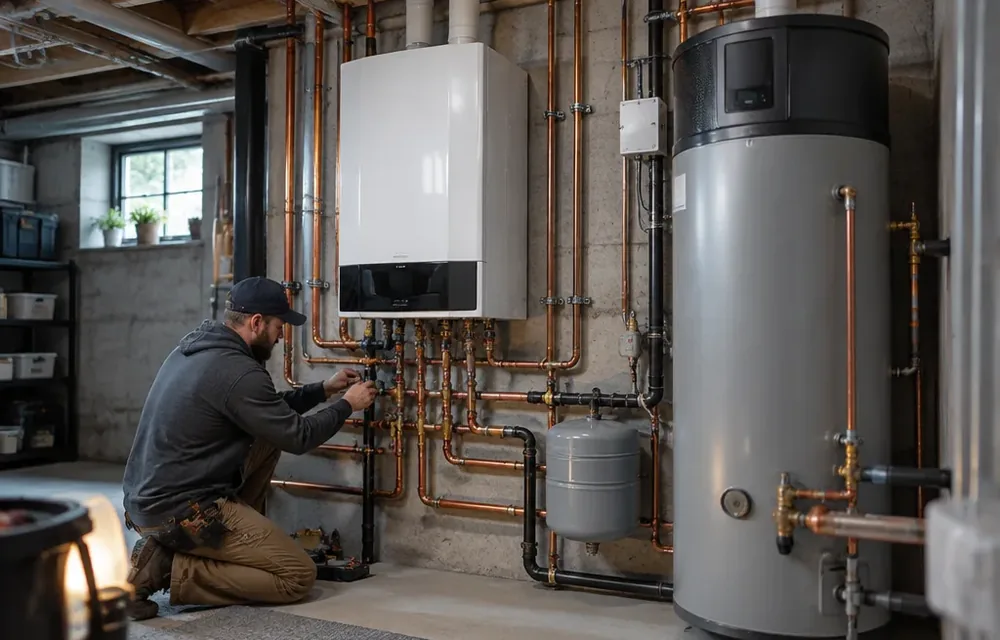
How does Mass Save work for plumbing equipment?
Program shape: Mass Save is a statewide ratepayer-funded effort run with Massachusetts utilities that promotes efficiency upgrades through no-cost home energy assessments, equipment rebates, and favorable financing paths. Plumbing crosses into the program where heating boilers and heat pump water heaters use measurably less energy than the units they replace. The assessment comes first in most paths, documenting the home and blessing the upgrade route before equipment is ordered.
What the program touches: High-efficiency boilers with qualifying ratings, heat pump water heaters that move heat rather than making it, and related controls such as smart thermostats and indirect tanks paired with boiler replacements typically sit inside rebate paths. Standard tank swaps without efficiency gains, emergency like-for-like replacements without assessment, and equipment outside rated lists generally sit outside. That boundary explains why model numbers and rating sheets matter from the first survey rather than after installation.
Where current numbers live: Rebate amounts, bonus windows, and income-based enhanced paths change with program years and utility territories, so the authoritative figures sit on the Mass Save site and utility pages rather than in any contractor guide. Treat third-party rebate roundups the same way, as background for questions rather than promises for your project. Our role is sizing and installing the right equipment with documentation; the program sets what each documented upgrade earns. Start at the official Mass Save site linked through your utility before counting any amount against project scope.
Which boiler routes typically qualify?
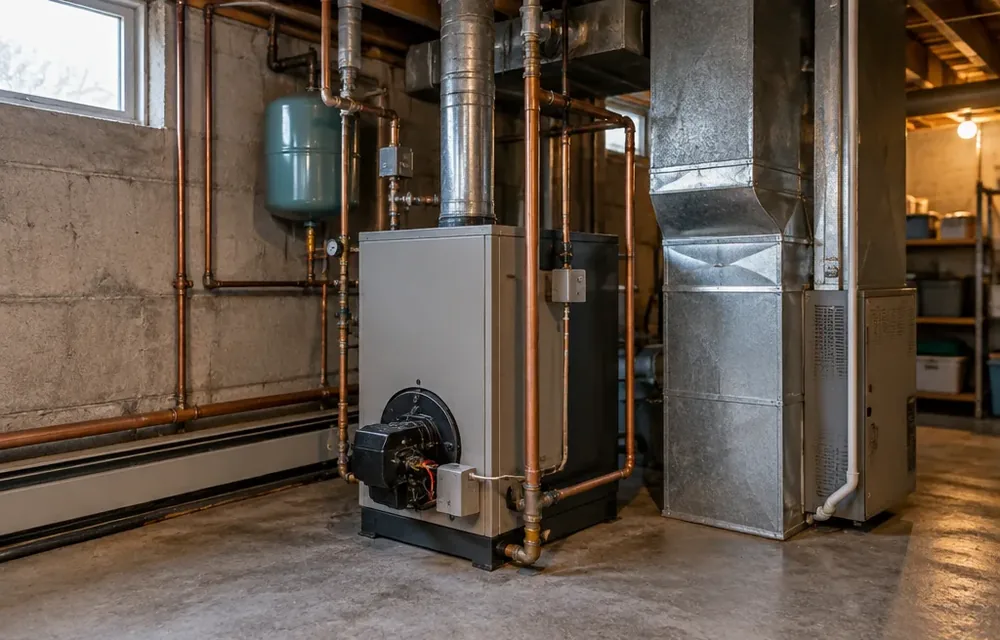
Efficiency threshold: Boiler rebate paths generally key off efficiency ratings with higher tiers earning stronger backing, so condensing gas units with documented ratings lead the field where gas serves the home. Oil-to-gas conversions with qualifying equipment sometimes unlock deeper paths because fuel switching compounds the savings, subject to utility territory rules. The rating sheet for the exact proposed model, not the product family brochure, is what the paperwork checks.
Controls and pairing: Outdoor reset controls, smart thermostats, and indirect-fired water heaters paired with the new boiler often stack with the core equipment rebate because they trim standby and cycling waste. Zone rebalancing and near-boiler piping corrections do not earn their own rebates but protect the rated performance the rebate pays for. That pairing logic fits boiler installation and servicing survey practice, where controls and piping get specified with the unit rather than after.
Assessment-first sequencing: Most boiler paths want the home energy assessment completed before contracts sign, with the audit report naming heating as a recommended measure. Equipment installed before assessment can forfeit eligibility even when the model qualifies, so schedule the audit early in the planning season. Keep the audit report, proposal with model numbers, and install documentation together from day one, since rebate review asks for all three in sequence.
Which heat pump water heater routes qualify?
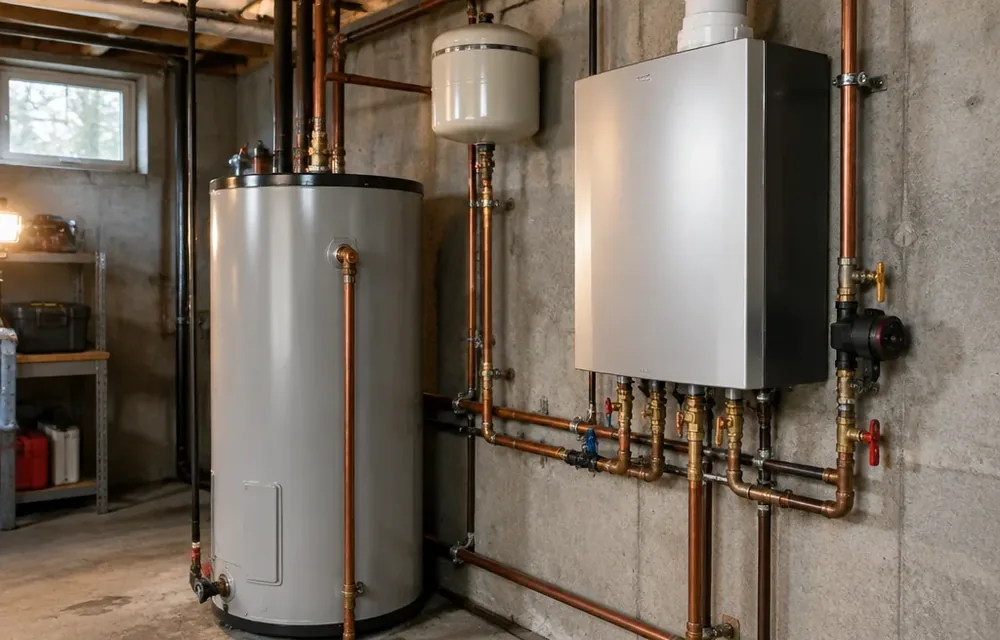
Equipment pattern: Heat pump water heaters earn backing because they move ambient heat into the tank at multiples of the efficiency of resistance or conventional combustion heating. Unitary heat pump tanks for typical households lead the common path, with split and commercial-duty variants following their own rated tracks. Location matters, since these units need adequate air volume and suitable ambient temperatures to hold their ratings, which basement surveys confirm before selection.
Operating realities: Heat pump units cool and dehumidify the surrounding space while heating water, which basements usually welcome but tight closets cannot support without ducting. Recovery behavior differs from gas and resistance tanks, so household rhythm with morning peaks gets modeled rather than assumed. Noise, condensate drainage, and filter access all enter placement planning alongside the rebate math. Those placement truths sit inside water heater tank against tankless reading even though the technology differs.
Fuel and panel interplay: Homes leaving oil or electric resistance hot water for heat pump technology sometimes stack water heating incentives with broader electrification paths, subject to panel capacity and utility rules. Panel upgrades, condensate routing, and cold-climate setting choices each add project layers that the rebate does not directly pay. Survey the electrical and drainage reality with the equipment choice so incentive hopes never outrun installation facts.
How should you sequence audit, equipment, and paperwork?
Ordered sequence: Ordered rebate sequencing starts with the no-cost home energy assessment, continues through rated equipment selection with model numbers in the proposal, and closes with install documentation and rebate filing inside stated windows. Ordered rebate sequencing protects eligibility at each gate, since skipped steps are the most common reason qualifying equipment earns nothing. Put the assessment on the calendar before heating season, when scheduling runs easiest.
Paperwork discipline: Keep the audit report naming the measure, the signed proposal listing exact model numbers with rating sheets, install photos where required, permits with sign-off, and paid invoices showing dates. File within the program window with serials and ratings transcribed exactly, since mismatched digits stall review for months. Ask who files what before signing: some paths expect homeowner submission with contractor documents, while others route through participating contractor channels.
Timing with replacement need: Emergency failures compress every timeline, and waiting on audit scheduling through a freeze risks pipes to chase paperwork. Where the boiler still runs, audit early and install on a calm shoulder-season schedule with permits and testing unhurried. Where failure already struck, stabilize with safe temporary measures where possible, document everything, and ask the program about emergency provisions rather than assuming the opportunity is lost. That triage judgment matches boiler emergency notes practice.
Why rebate planning fits Chelmsford area housing
Local fit: Chelmsford area colonials and capes with hydronic boiler heat and basement water heaters match the two strongest Mass Save plumbing paths exactly. Aging oil boilers near conversion age, gas boilers past their prime on original venting, and resistance tanks in all-electric corners each present textbook upgrade cases. Finished basements give heat pump units suitable air volume while welcoming their dehumidifying side effect.
Neighborhood patterns: Center colonials with tall radiator loops gain most from reset controls paired with right-sized boilers, subdivision splits with added zones benefit from piping corrections that protect rated performance, and condo pockets with closet heaters need placement review before heat pump selection. Homes near Acton with long zone loops, near Concord with tall colonial columns, and near Lowell with stacked heating loads each shape survey attention differently, while well-water streets add treatment review that keeps new equipment clean.
What to tell dispatch: Mention current fuel and equipment age with model numbers where visible, whether an assessment is done or scheduled, and which upgrade path interests the household. Note panel capacity hints, basement air volume, and condensate routing options for heat pump interest. Those facts let the survey arrive with rating sheets and placement options through boiler help and water heater help in one trip.
Limits, fine print, and honest expectations
Amount uncertainty: Amount uncertainty is the central fine print, since rebate levels, bonus windows, fuel eligibility, and income-based enhancements move with program years. No guide, proposal, or conversation can fix an amount the program has not published for your filing window, and counting unpublished sums against project scope risks disappointment. Read the current program pages inside the season of purchase and print the applicable terms with dates.
Eligibility gates: Assessment-first ordering, rated-list membership for the exact model, licensed installation with permits, installation inside the window, and complete documentation each gate the payout independently. Missing any single gate can zero an otherwise qualifying project, which is why sequencing discipline matters more than equipment enthusiasm. Utility territory boundaries add a further check, since offers follow the serving utilities for gas and electric rather than town lines alone.
Our boundary: We size, install, test, and document heating and hot water equipment to code with permits and startup proof, and we supply the model numbers, rating sheets, and install records rebate review requires. Program interpretation, amount confirmation, and filing outcomes sit with Mass Save and the utilities rather than with us. That division keeps advice honest: equipment guidance from the survey, money answers from the program pages read in the purchase season.
When should you call about rebate-timed replacement?
Call signals: Call about rebate-timed planning when the boiler needs frequent service with rising parts, when resistance hot water costs climb with household growth, when an assessment already names heating or hot water measures, or when a shoulder season opens a calm install window. No-heat emergencies, relief discharge that will not stop, and fuel odors need safety-first calls now with rebate questions held for after stabilization.
What to say on the call: Call (978) 592-1168 with equipment ages and model numbers, assessment status with report date, fuel types, and household rhythm notes ready. Describe zone behavior, recovery complaints, and basement placement realities for heat pump interest. That account lets the survey sequence audit completion, rated selection, and install timing correctly across Chelmsford, Westford, and Billerica. Ask how model numbers, rating sheets, and install records will be delivered for the filing.
Rules reminder: Heating and fuel work involves licensed handling with permits and inspection through the local inspector, and rebate paths never waive code, sizing, or safety steps. Only qualified hands install and test boiler and water heating systems, as homeowner plumbing rules and hiring and license checks describe.
Near you
When to call
Related guides
Frequently asked questions
Do Mass Save rebates cover boilers in Chelmsford?
Boiler paths typically exist for qualifying high-efficiency models installed after assessment with documentation, with tiers following efficiency ratings and fuel rules. Amounts and windows change by program year, so the Mass Save site holds the current numbers. Survey the load, venting, and piping first, then match a rated model to an open path before ordering.
Do heat pump water heaters qualify for rebates?
Heat pump water heaters commonly sit inside rebate paths because of their efficiency multiples over resistance heating, subject to rated lists and placement suitability. Basement air volume, condensate routing, and recovery rhythm get surveyed with the equipment choice. Confirm the exact model against current program terms inside the purchase season.
Must the energy assessment come before installation?
Most paths want assessment first with the audit report naming the measure, and equipment installed beforehand can forfeit eligibility even when the model qualifies. Schedule the no-cost assessment early, keep its report with the proposal, and file inside stated windows with exact model data.
Can emergency replacements still earn rebates?
Emergency timing complicates but does not always end eligibility, since documentation and program provisions sometimes preserve paths for documented failures. Stabilize safely first, keep every record from assessment through install, and ask the program about emergency provisions directly rather than assuming either outcome.
Who confirms my exact rebate amount?
Mass Save and the serving utilities confirm amounts against current published terms for your filing window, not contractors or guides. Bring them the assessment report, exact model numbers with rating sheets, and install records. Treat every other figure as background for planning questions only.
Still stuck?
Describe what you see when you call and a local specialist will guide the next step.