How does sewer replacement cost take shape?
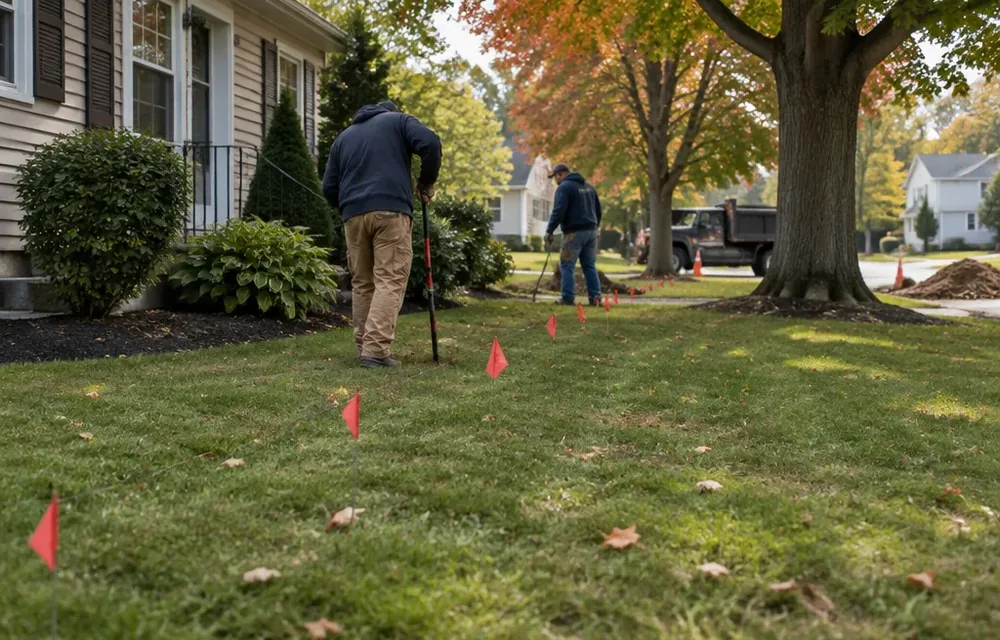
Scope shape: Sewer line replacement cost takes shape from evidence first and digging second. Cable work restores flow where the line is blocked, camera video with distance marks maps roots, bellies, offsets, and breaks, and locating marks tie each defect to a yard spot. Only that footage plus the surface layout above the line can size lining against bursting against open trench, which is why proposals naming a method before video deserve a second opinion.
Method and length work: Lining cures a sleeve inside the old path with small pits, bursting draws new pipe through while fracturing the old outward, and open trench excavates the full repaired length for hand replacement at corrected grade. Length, depth, soil handling, dewatering where groundwater appears, and connection rebuilding each add crew and equipment time. Branch connections mapped on video must be reinstated under any method, and each reinstatement sits inside scope.
Restoration closeout: Driveway cuts, patio lifts, lawn and loam repair, and planting restoration follow the pipe work under every method, with trench paths needing the most and pit-only lining the least. Street or sidewalk openings add permissions and restoration standards beyond the yard. That restoration scope is named in writing before work starts in sewer service notes, since surfaces decide much of what owners remember about the job.
What drives line scope up or down?
Length, depth, and soil: Length, depth, and soil move sewer line replacement cost together. A short shallow run under open lawn scopes far below a long deep lateral under driveway and mature trees, and running sand or high groundwater adds shoring and dewatering that shallow dry soil never needs. Settlement voids and washed-out bedding found at separated joints turn a pipe swap into ground correction with proper bedding by hand.
Defect type and grade: Cracks, joint gaps, and cleared root entry suit renewal where alignment holds, while collapse, severe bellies holding water, and back-pitched sections demand excavation with grade rebuilt by level. Lines whose alignment must change, connections needing hand rebuilding, and uncertain pipe locations all pull toward open trench regardless of surface wishes. The footage review names each defect with distance before any method discussion, which keeps drain cleaning history and camera files at the center of planning.
Access and permissions: Entry and exit room for trenchless equipment, digging room with soil storage for trench work, utility marks, and street opening permissions each shape schedule and crew needs. Cleanout gaps and septic-to-sewer conversion histories add locating work before either method. Tell dispatch the lateral path, surface coverings, tree positions, and prior video findings so the visit stages cable, camera, and locating gear correctly.
Lining, bursting, and trench paths compared
Comparison frame: Lining, bursting, and trench paths differ in digging footprint, grade ability, and connection handling. Lining renews the interior and follows existing alignment, bursting sets new pipe through the old path with small pits, and open trench rebuilds everything by hand with full access. The right choice follows footage plus surface value together, and sewer line replacement cost follows that choice. The table below lays out the trade offs before any proposal gets signed.
Read the rows: Use the table to match your footage to the sounder method. Aligned pipes with cracks or cleared roots under driveways lean lining, failed walls needing new pipe with small pits lean bursting, and collapse or grade errors lean open trench. Any row assumes cleaning and camera came first, since no method proceeds honestly through an unseen blockage. Pair the table with lining versus replacement detail and keep prior video files ready.
Scope notes by path: Lining concentrates work at pits with curing and reinstatement time, bursting adds pulling equipment with the same pit logic, and trenching spreads excavation, bedding, and restoration along the full run. Permits, locating, and post-work camera proof apply across all three paths. Place each path beside the cost guide to see how length, depth, and restoration stack rather than treating any row as a figure.
| Path | What it does | Best fit | Scope note |
|---|---|---|---|
| Pipe lining | Cures a sleeve inside the old alignment | Cracks and gaps under valued surfaces | Pit work with curing and reinstatement |
| Pipe bursting | Pulls new pipe through the old path | Failed walls needing new pipe, pits possible | Pulling gear with small footprint |
| Open trench | Excavates and rebuilds by hand at grade | Collapse, bellies, and grade errors | Full digging with bedding and restoration |
| Spot repair | Fixes one section at the marked defect | Single break with sound pipe elsewhere | Targeted dig with proof each side |
What should you do in order before booking replacement?
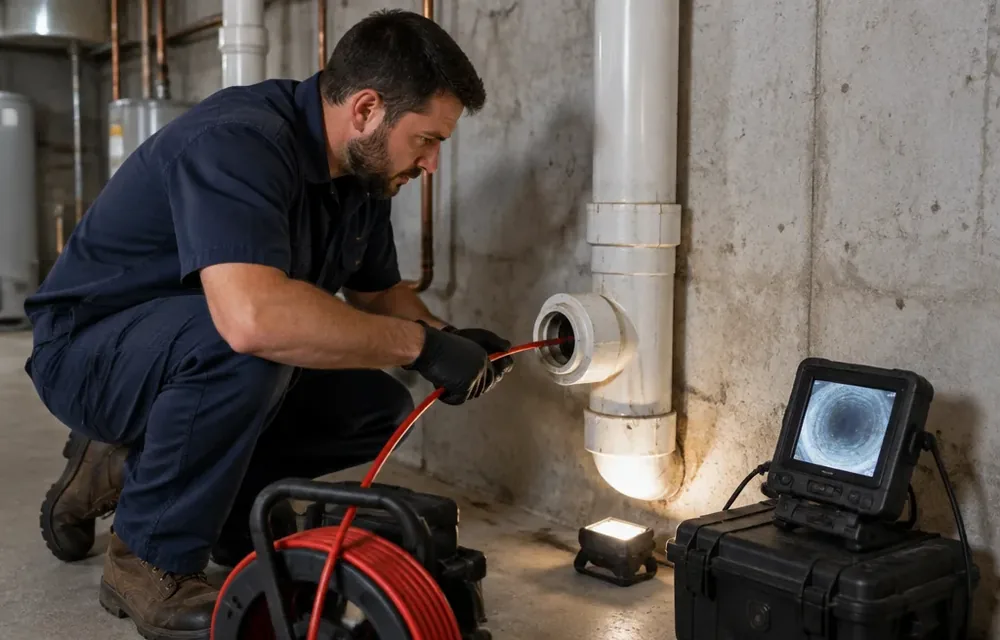
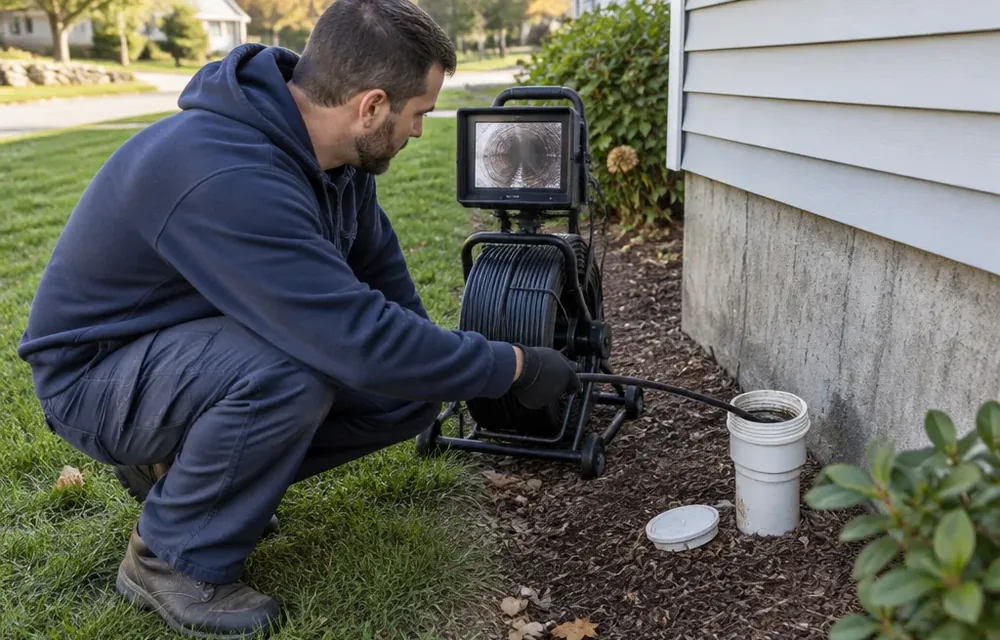
Ordered steps: Ordered steps before booking replacement start with flow restored and footage in hand. Cable clearing opens the bore, camera inspection records defects with distance marks, and locating ties each mark to the yard. Only that evidence package supports method comparison, written scope, and permit handling. Keep a log of backup dates, fixtures, and prior cable distances, because history plus footage sizes the plan better than any description of slow drains.
Gather the surface facts: Photograph the lateral path from house to street, note driveways, patios, retaining walls, specimen trees, and buried utilities, and pull any prior video files with their defect notes. Ask each bidder how connections get reinstated, where pits or trench run, who arranges permits and utility marks, and how surfaces restore under their method. Proposals that skip these answers in favor of a fast figure deserve comparison against one that names them.
Sequence the work sanely: Schedule clearing and camera first with a written defect review, then method proposals against the same footage, then permits and marks, then the chosen work with post-camera proof. Avoid chemical openers throughout, since they endanger everyone who opens the line. If sewage is active, stop water use and call (978) 592-1168, and review emergency plumber guidance and whether a camera is worth it while you wait.
Why Chelmsford area lines fail on schedule
Local pattern: Chelmsford area lines fail on schedule because mature maples and oaks send roots into older clay and concrete joints, while settlement and traffic loading shift bedding under driveways year by year. Root entry at offset joints is the signature defect on tree-lined streets, and lines that received decades of cable cuts without renewal eventually need structural answers. Long laterals under established lawns multiply the joints where intrusion starts.
Neighborhood mix: Center colonials hide laterals beneath patios and walkways whose restoration takes care, ranch streets in Billerica and Westford run long lines under maples, and river-low lots toward Lowell and Dracut add groundwater that complicates deep digging. Homes near Tewksbury and Carlisle share the clay-joint and root pattern on older streets, while town supply minerals roughen interiors that snag paper sooner.
What to tell dispatch: Mention tree cover, lateral material and age where known, prior cable distances and return intervals, cleanout locations, and surface coverings over the path. Those facts decide whether the visit stages cable plus camera with locating together or sequences them across trips. Keep every video file, since a new run compared with an old run shows growth, settling, or new offsets through drain cleaning history without guesswork.
Limits of averages and third party cost figures
Figure limits: Figure limits matter because no average can see your lateral length, depth, soil, defect mix, or surface coverings before the camera travels. A short lined section under lawn and a long deep replacement under driveway can share a label yet involve very different equipment, crew, permits, and restoration. Per-foot promises fail for the same reason, since connections, pits, dewatering, and surfaces do not scale with footage. That is why footage plus surface review on site carries more weight than any figure quoted without seeing the line and the yard.
Third party context with care: One national cost guide reports sewer cleaning around two hundred fifty one dollars and sewer camera work around three hundred seventeen dollars, with drain clog clearing around one hundred fifty eight dollars for related clearing work. Those figures come from the ProMatcher Massachusetts cost report as third party estimates for context, not our prices and not replacement totals, and your length, depth, method, and restoration move any real plan far from clearing and camera figures. Use those reports to learn which drivers to ask about, such as access, footage, method, permits, and restoration, rather than as figures to hold any lateral to.
Wage versus billed scope: A national wage figure is not a project scope, and mixing the two creates false expectations about line work. The May twenty twenty five national median wage for plumbers, pipefitters, and steamfitters was thirty dollars and sixty seven cents per hour according to the Bureau of Labor Statistics, and that wage sits inside a business with cable machines, cameras, jetters, excavation gear, insurance, and dispatch. Billed scope also covers diagnosis, locating, permits, restoration coordination, and documentation. Keep that gap in mind when you read plumber hourly rates in Massachusetts and when you compare any online average to your lateral.
When should you call about line replacement in Chelmsford?
Call signals: Call about replacement planning when backups return within weeks of clearing, when camera video shows breaks, bellies, or offsets with distance marks, when paper snags at one measured spot, or when a scheduled root pattern outgrows cutting. Waste low in the home, soggy ground over the lateral path, and odor near cleanouts all argue for footage-led planning rather than another blind cable pass. Buyers of older homes with clay joints benefit from proof before closing as well.
What to say on the call: Call (978) 592-1168 with fixture pattern, return interval, prior cable and video notes with distances, cleanout spots, and surface and tree notes ready. Stop water use if waste backs up low, and avoid chemical openers that endanger the crew. Ask whether the visit should bring cable plus camera with locating, and confirm you will receive the saved footage with marks. That account serves Chelmsford, Billerica, and Westford with the same evidence standard.
Massachusetts rules: Sewer and drain work follows 248 CMR, the Uniform State Plumbing Code, with the Board of State Examiners of Plumbers and Gas Fitters governing who may open and alter sanitary piping as listed on mass.gov. Permits with inspection run through the local inspector, with added permissions where street or sidewalk opens. Only qualified hands clear, camera, and replace laterals, as homeowner plumbing rules describe.
Near you
When to call
Related guides
Frequently asked questions
How much does sewer line replacement cost in Chelmsford?
Sewer line replacement cost in Chelmsford has no set figure because lateral length, depth, soil, defect mix, method choice, and surface restoration shape each project. One national cost guide reports clearing and camera figures as third party estimates only, not replacement totals. The clearest path is cable plus camera footage with distance marks, then method proposals against the same evidence.
Should I line, burst, or trench my sewer line?
Footage plus surface value decide. Lining suits aligned pipes with cracks or cleared roots under valued surfaces, bursting suits failed walls where pits work, and open trench suits collapse, bellies, and grade errors needing hand rebuilding. Any proposal naming a method before showing footage deserves comparison against one grounded in video.
Do I need a camera inspection before replacing the line?
Yes, no honest replacement plan exists without seeing the pipe interior first. Footage shows defect types, bellies, offsets, and connections with distances that size the method and the dig. Keep the footage reference with every proposal so second opinions judge the same evidence.
Will replacement destroy my yard or driveway?
It depends on the method and the pipe path. Lining and bursting concentrate digging at pits, while open trench opens the full repaired length with restoration along the way. Each written proposal should name every disturbed area, its restoration plan, and who handles permits and utility marks.
How do I compare two sewer proposals fairly?
Compare them against the same footage with distance marks, checking method fit, pit or trench locations, connection handling, permit responsibility, restoration scope, and post-work camera proof. Proposals that answer all six rest on evidence, while figures without those answers rest on hope.
Still stuck?
Describe what you see when you call and a local specialist will guide the next step.