What this setting needs
Handwash hygiene
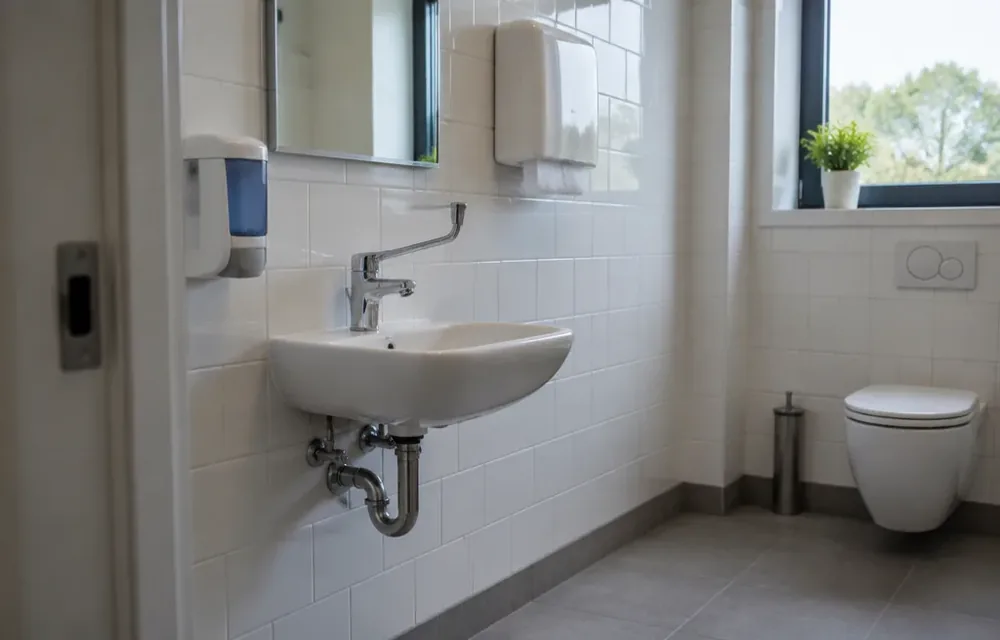
Consistent tempered flow at every hand sink supports routine handwashing between patients. Tired cartridges that swing hot or trickle low draw complaints and need correction rather than adjustment at one tap.
Quiet reliable restrooms
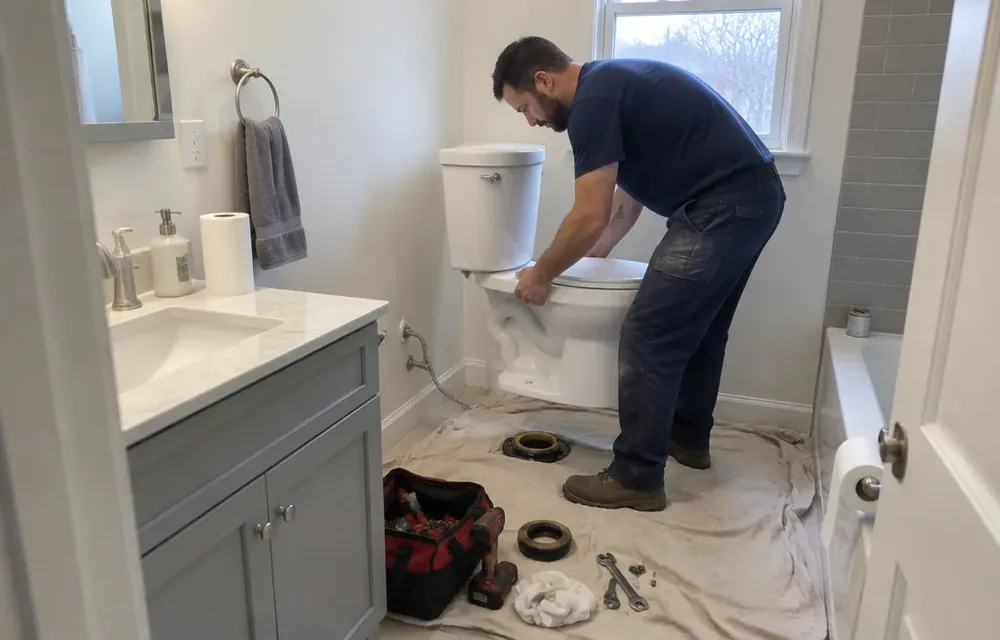
Patient restrooms need silent refill, clean flush, and drains without odor, hammer, or whistle. Worn seals and partially blocked branches show first during morning peaks.
Treatment room drainage
Dental and procedure sinks collect fine solids, plaster, and cleaning agents that coat traps and small branches. Strainers and trap cleaning schedules slow buildup, while camera checks sort trap film from deeper restriction.
Uptime with phased work
Exam schedules leave little room for shutdowns, so work moves room by room with water isolated to one branch. Clear staging keeps hallways and waiting areas clean while retesting confirms flow.
Hygiene details that shape fixture choice
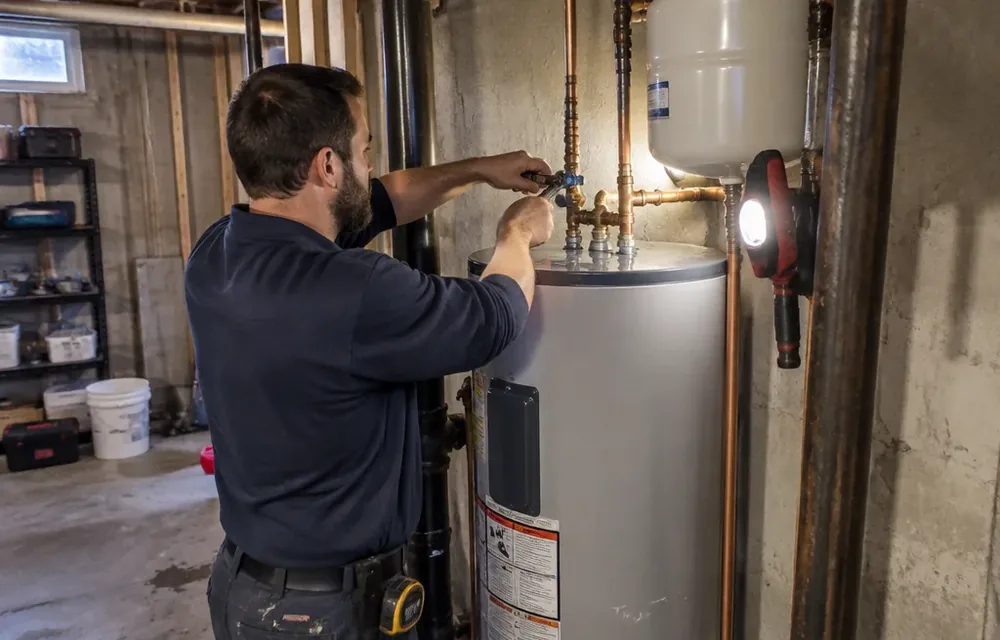
Handwash consistency: every clinical hand sink should deliver the same tempered flow without long waits or temperature swings. Mixing controls, cartridge condition, and heater recovery together decide that result. Logging temperature at several sinks during peak use shows whether the issue is local trim or system tempering.
Drain cleanliness: traps, overflows, and floor drains in treatment areas collect biofilm faster than general office restrooms. Routine trap flushing and drain-face cleaning reduce odor, while persistent sewer odor with slow flow points to a branch that needs drain cleaning rather than another surface wipe. No deodorizer replaces clearing a lined bore.
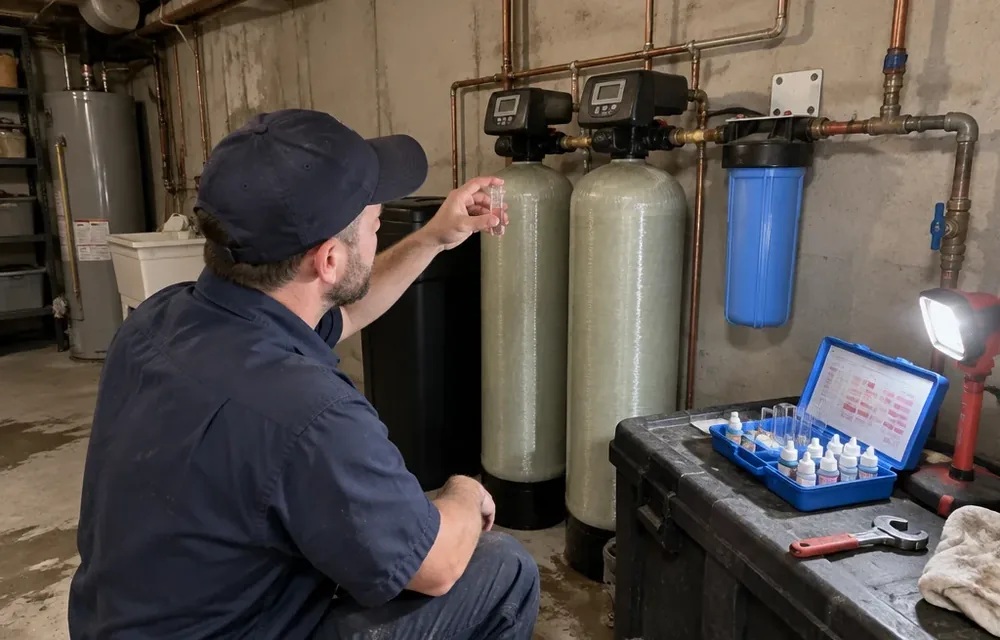
Water quality note: mineral load affects taste at drinking water points, spotting on fixtures, and scale in heaters and sterilizers. Where hardness or sediment is suspected, water treatment testing sorts softening and filtration paths from heater work. Offices in Concord and Bedford on similar supplies follow the same test-first order.
Keeping exam rooms open during work
Phased isolation: water shutdowns stay limited to one restroom or treatment branch while neighboring rooms remain in service. Early, midday, or evening windows fit around patient blocks depending on lease and staffing. A call that lists room counts and peak hours sets a workable order.
Low-impact staging: tools stage inside the workroom with drop cloths and contained discharge, so waiting areas and corridors stay clean and quiet. Noise-sensitive equipment rooms get scheduled around procedures. Retesting runs several fixtures together to prove flow before the room returns to use.
Leak priority: a supply leak that will not stop at the fixture valve, a toilet that runs continuously, or waste returning at a low drain moves ahead of planned upgrades. Close the nearest valve first, then the branch where needed, and call with what was closed. Active water near electrical or sterile stores needs power awareness before entry.
Planning notes without invented rules
Plumbing code scope: fixture and piping alterations in Massachusetts fall under 248 CMR, the Uniform State Plumbing Code, with the Board of State Examiners of Plumbers and Gas Fitters governing who may alter those systems. Permits and inspection run through the town office where piping is opened or layouts change. No office policy replaces those steps.
Operational coordination: office managers decide patient scheduling and room closures with their own clinical guidance, while the plumbing task stays bounded to clean flow, stable temperature, and sound fixtures. Standing water and sewer odor are operational problems that limit room use until corrected. The visit record notes what was found, what was isolated, and what retest showed.
Scope drivers: fixture count, ceiling and wall access, brand-specific cartridges, and whether treatment branches need camera checks shape the plan. Heater output and tempering reviews join fixture work where temperature varies by room. Our cost guide explains those drivers without listing figures.
Related services
Frequently asked questions
How do offices avoid shutdowns during plumbing work?
Phased branch isolation avoids full shutdowns in most offices. Work proceeds room by room with water off only on the affected branch, while neighboring exam rooms stay in service. Early or evening windows fit around patient blocks. Listing room counts, peak hours, and access constraints on the call sets a sequence that keeps care spaces usable.
Why does handwash temperature vary between rooms?
Variation between rooms usually traces to mixing settings, tired cartridges, or heater recovery rather than a single faucet. Distant sinks feel swings first during morning peaks when several taps run together. Checking temperature at several fixtures under load sorts trim trouble from system tempering. Heater and mixing review then steadies output across the suite.
What causes odor in treatment room drains?
Odor in treatment drains usually traces to biofilm in traps, overflows, and floor drains rather than the main alone. Fine solids and cleaning agents coat small branches quickly between deep cleans. Restoring trap water, cleaning drain faces, and flushing traps helps, while persistent odor with slow flow points to a branch that needs cable and camera work.
When should a healthcare office call now?
Call now when a supply leak will not stop at the valve, a toilet runs continuously, or waste returns at a drain. Close the nearest fixture valve first, then the branch where needed, and keep people clear of wet electrical areas. A single slow hand sink with no overflow can usually wait for a planned window with the room noted.
Healthcare Offices?
Call and describe the building. A local specialist takes it from there.