What this setting needs
Turnover fixture checks
Vacancy windows allow testing of faucets, toilets, shutoffs, and heater output before a new tenant moves in. A running toilet or weak shutoff found then is a short fix rather than a night call later.
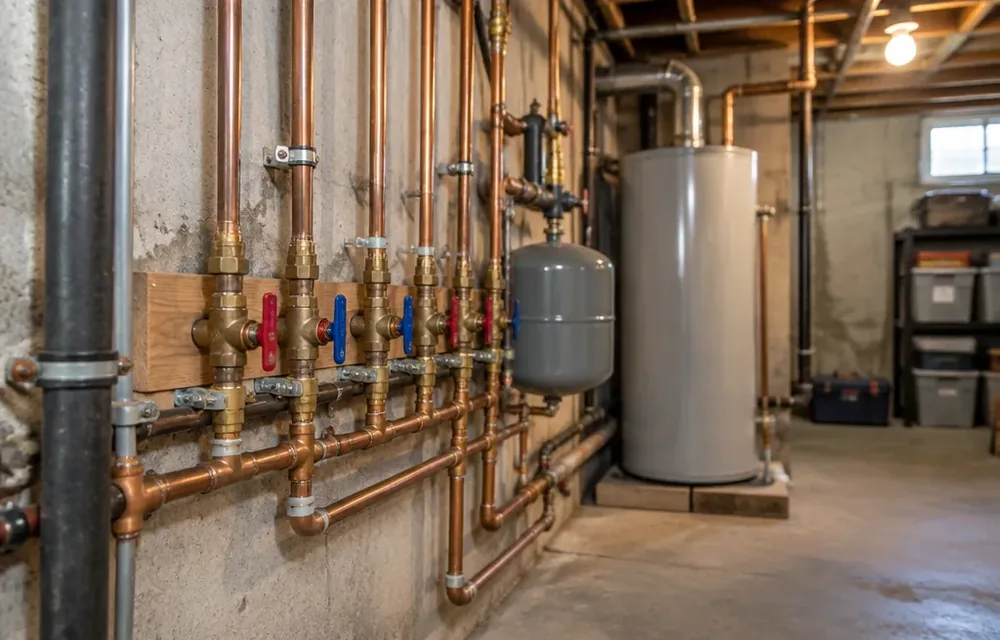
Shutoff mapping by unit
Stacked baths and shared basements hide which valve controls which unit, so labeling fixture valves, branch valves, and the main saves water when a supply line lets go. A posted map in the basement helps anyone on site act without guessing.
Winterization for vacant space
Vacant units and unheated entries freeze first, especially lines in exterior walls, crawl spaces, and garage bays. Controlled heat, cabinet airflow, and drained hose bibbs lower burst risk during cold snaps.
Shared drains and heaters
Hair, wipes, and grease from several units meet in one branch, and one shared tank serves morning peaks across baths. Tracking which unit backs up first and how old shared equipment is guides cleaning and replacement timing.
Turnover checks that prevent callbacks
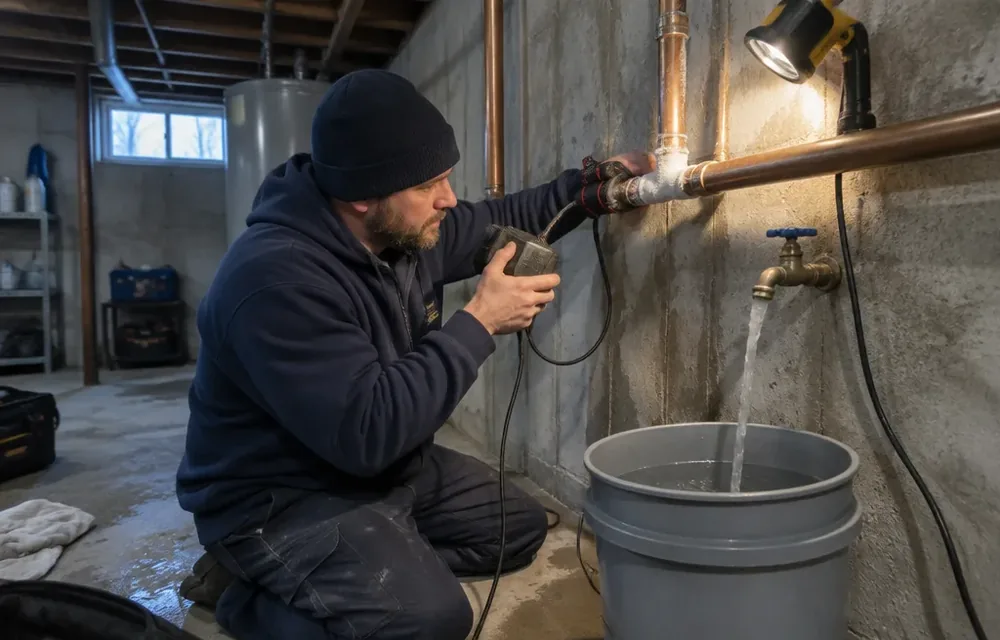
Fixture pass: each turnover allows running every faucet hot and cold, flushing every toilet twice, and checking tank refill, flapper seal, and supply valve movement. Note weeping traps, loose handles, and slow lavatories while the unit is empty. That list becomes the work order before keys change hands.
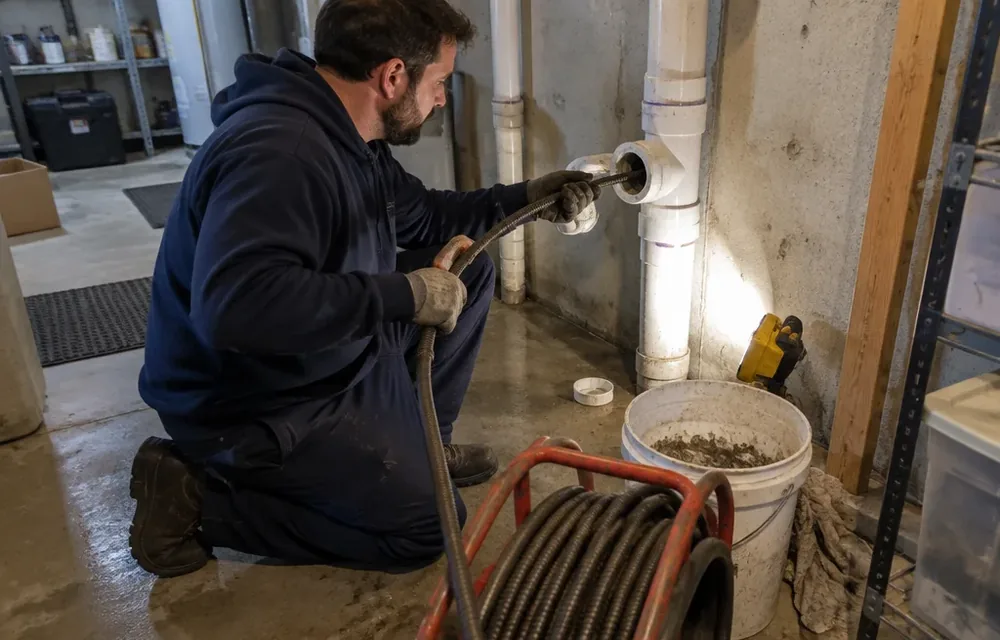
Drain and vent read: a tub that drains slowly with hair at the stopper differs from a stack that gurgles when an upstairs toilet flushes. The first points to a local trap, while the second points to a shared branch that needs drain cleaning with a camera look. Recording which units connect to which stack keeps the next complaint short.
Heater and boiler note: record tank age, noise, rust at the pan, and recovery time, plus boiler pressure and radiator heat by floor for hydronic buildings. Where a shared tank rumbles or runs short, compare water heater work against age before the basement takes water. Buildings in Lowell and Billerica with similar stock follow the same turnover sheet.
Shutoffs, access, and winter planning
Map and label: tag each fixture valve, each branch valve, and the main where the line enters, usually in the basement on the street side. Confirm every valve turns without seizing and replace stuck stops during daytime visits. A clear main location lets a tenant or super stop damage while help is arranged.
Cold-weather routine: keep vacant units heated, open cabinet doors on exterior-wall sinks during hard cold, and disconnect hoses so bibbs can drain. Pipes in additions, crawl spaces, and garage walls need the most attention because later remodels often left them thinly protected. See frozen pipe prevention for the layout details that matter on a walk-through.
Access planning: lockbox or super access, parking for equipment, and a clear path to the basement cleanout and heater area shorten every visit. Where storage blocks the main or the cleanout, moving it before the appointment saves an extra trip. Our cost guide explains how access and extent shape scope without listing figures.
Code notes for multi-unit work
Plumbing code scope: alterations to supply, drainage, and vent piping in Massachusetts fall under 248 CMR, the Uniform State Plumbing Code, with the Board of State Examiners of Plumbers and Gas Fitters governing who may open and alter those systems. Permits and inspection run through the town office where piping is opened or fixtures are added.
Leak response order: close the nearest fixture valve first to isolate one unit without draining the building. Where that valve sticks or water keeps spreading, close the branch or main and switch off feeder power near standing water. Then call with the unit number, what was closed, and where water shows.
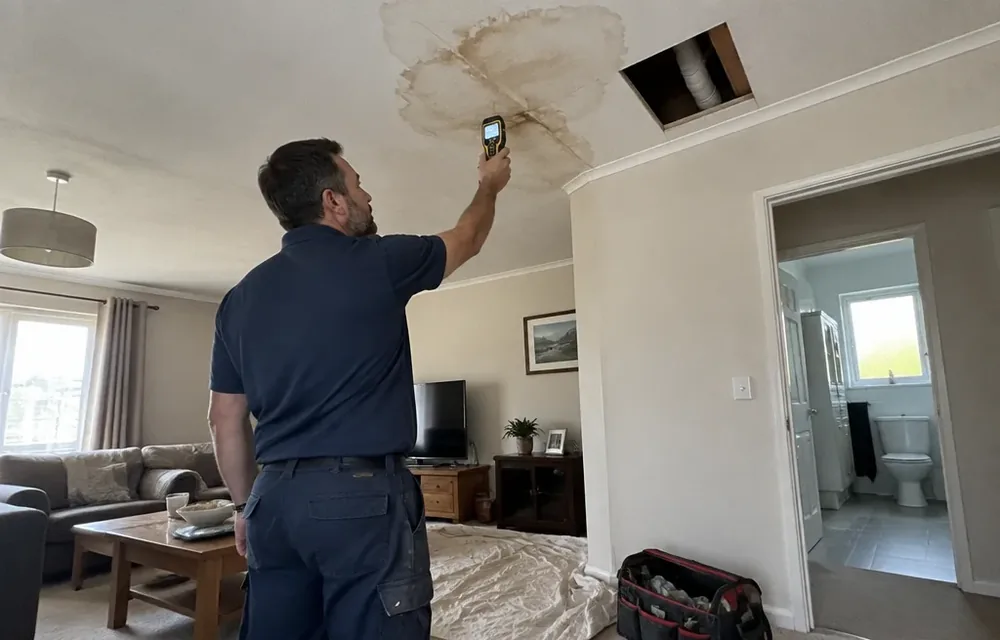
Documentation habit: keep heater ages, valve locations, stack maps, and past cable distances in one folder per building. That record turns repeat clogs and slow heat into planned leak detection and repair or heater work rather than repeated diagnosis. Small notes on each visit compound across a portfolio.
Related services
Frequently asked questions
What should a manager check between tenants?
A full fixture and shutoff pass between tenants prevents most callbacks. Run each faucet hot and cold, flush each toilet twice, test every supply valve, and note slow drains and tank noise. Record heater age and boiler pressure where present. Fixing a stuck valve or a running toilet while the unit is empty costs less disruption than answering it after move-in.
Where is the main shutoff in a multi-unit building?
The main usually sits in the basement where the water line enters on the street side. Branch valves near stacked baths and heater feeds isolate smaller zones, while fixture valves stop one appliance. Label all three levels during a daytime visit so tenants and supers can act without guessing. Tell callers which valve was closed and what kept running.
How do managers lower frozen pipe risk in vacant units?
Controlled heat, airflow, and hose control lower vacant-unit freeze risk. Keep heat on low, open cabinets on exterior-wall sinks during hard cold, and disconnect hoses so bibbs drain. Lines in crawl spaces, garage walls, and additions freeze first. A walk-through that notes exposed runs and missing insulation guides targeted frozen pipe prevention work before winter.
When does a repeat clog need more than cabling?
A clog that returns to the same stack needs a camera look rather than another cable pass alone. Video shows scale, grease, roots, bellies, and offsets with distance marks. Sound lines with wall buildup suit jetting after flow is open, while broken or bellied sections move to repair planning. Recording which unit backs up first and how fast trouble returns decides the next step.
Property Managers?
Call and describe the building. A local specialist takes it from there.