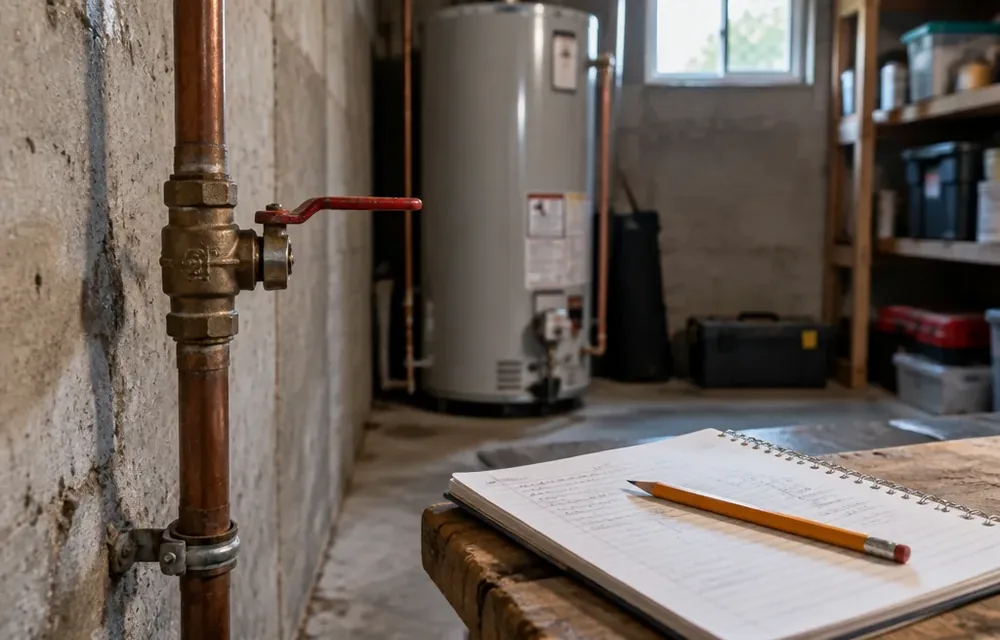
How does the Massachusetts plumbing frame work?
State frame meaning: The Massachusetts plumbing frame rests on Two Forty Eight CMR, the Uniform State Plumbing Code, with gas fitting rules alongside it. Permits are issued to licensed individuals only under Two Forty Eight CMR Three Point Zero Five, according to the Board of State Examiners of Plumbers and Gas Fitters on mass dot gov. That permit path shapes who can open systems and who signs for the work.
Town inspector role: The town inspector applies that state code to local conditions, reviews permit needs, and signs off where inspection applies. What needs a permit can vary with the reach of the work, such as whether piping is opened, altered, or extended versus simply operated. Because local practice matters, confirm with your town inspector before you plan work that goes beyond simple use and upkeep. That confirmation step protects you at resale and with insurance far more than any online summary, as hiring and license checks shows for how the Board fits into hiring.
Why the frame stays strict: Supply, drain, vent, and gas systems hide failure modes that do not show until pressure, flow, or combustion tests run. A joint that looks tight can weep under heat cycling, a vent change can siphon traps elsewhere, and a gas joint needs test methods beyond sight and smell. The license and permit path exists to keep those hidden modes checked by training and inspection. That is why this guide steers you toward confirming plans rather than declaring any project allowed or barred on its own.
What homeowner actions stay clear and what needs a license holder?
Action divide: The action divide separates operating and observing the system from opening and altering the system. Operating and observing help without changing joints, vents, or fuel paths. Opening and altering changes the pressure boundary or the drain and vent geometry and generally belongs with a license holder and often a permit.
Clearly helpful homeowner ground: Closing a fixture valve or the main shutoff, plunging a toilet without chemical opener in the bowl, clearing a pop up or strainer by hand, resetting a tripped disposal with maker steps, and noting gauge readings and error codes all stay on the safe side. Photographing leaks, recording which fixtures share trouble, and keeping access clear around the heater and boiler also help later diagnosis. Those habits align with how to shut off the water main and with fixture installation for faucets and toilets care notes.
Work to leave with a license holder: Cutting or sweating supply lines, moving or extending drains and vents, swapping a water heater or boiler control, running new gas piping, and altering relief discharge paths all reach beyond homeowner ground. Even a like for like swap can trigger permit and inspection needs when connections, venting, or fuel sizing are touched. When your plan reaches that line, pause and confirm with your town inspector, then arrange help through emergency plumber help or the matching service page for Bedford and nearby towns.
What should you confirm in order before you touch piping?
Confirm order: A careful confirm order starts with the symptom, then the boundary, then the town inspector, then help when the boundary is crossed. That order keeps you from buying parts for work that needs a permit path you had not planned. Keep notes so each step stays traceable.
Name the symptom and the reach: Write what you see, hear, and smell, which fixtures share trouble, and whether flow continues with fixtures off. Then ask whether your idea opens piping, moves a trap or vent, touches gas, or changes relief or venting in any way. When any of those answers is yes, treat the project as beyond simple upkeep. That pause matches triage in what counts as an emergency and in leak detection and burst pipe repair.
Ask the town inspector with specifics: Bring photos, the age and material of the piping where visible, and a plain sketch of what you hope to change. Ask whether a permit applies, who may hold it, and what inspection closes it. Keep the answer in writing with the date and the name of the office you reached. When the answer points to a license holder, call (978) 592-1168 with your notes for homes in Chelmsford and Billerica.
Common tasks compared by who should handle them
Task comparison: Task comparison helps you place everyday ideas on the right side of the boundary without guessing about law. The test stays practical: whether joints, vents, or fuel paths change, and whether inspection would need to verify hidden work. The table below applies that test to frequent homeowner ideas.
Use versus alter split: Using fixtures, operating valves, and observing gauges never changes the system, so those actions stay with you. Altering supply joints, trap arms, vent ties, heater connections, or gas cocks changes the system and generally needs a license holder with a permit where required. Chemical openers deserve special care because they add burn risk for whoever later opens the trap. Tell help when opener was used so the visit can be staged safely, as with drain cleaning.
Record keeping after any choice: Whether you rest a fixture for morning service or a license holder completes permitted work, keep the paper trail. Save inspector notes, parts lists, gauge readings, and camera notes where drains were involved. Those records smooth later service and answer resale questions without debate. That habit links this guide to shut off water main guidance and to sewer camera review.
| Task idea | Stays with homeowner | Belongs with license holder | Confirm step |
|---|---|---|---|
| Close fixture valve or main shutoff | Yes, operate and note behavior | No change to piping involved | Learn locations before trouble starts |
| Plunge toilet or clear strainer by hand | Yes when no chemical opener is present | No opening of trap or line | Rest fixture when flow will not restore |
| Swap faucet aerator or shower head | Often simple upkeep at the outlet | When supply valves fail or leak | Stop when valve sticks or drips |
| Open supply joints or move drains and vents | No, pause and confirm | Yes, with permit where required | Ask town inspector before buying parts |
| Touch gas cocks, venting, or burner parts | No, keep clear and observe | Yes, with permit and testing | Contact utility first when odor is present |
Why this matters around Chelmsford in particular
Chelmsford homeowner context: Chelmsford homeowner context includes older colonials with mixed piping ages, capes with finished basements, and additions where later runs hide in colder edge spaces. Those layers make even small changes harder to trace without opening finishes. A careful confirm step matters more here than in newer open plan homes.
Water and winter overlap: Much of Chelmsford draws town water through the Lowell Regional Water Utility system, which moves about four point six billion gallons per year for about one hundred thirty five thousand customers across Lowell, Dracut, Tyngsborough, and Chelmsford. Billerica Water Works serves nearby areas from its Treble Cove Rd plant. Strong street pressure rewards sound joints and punishes weak ones once flow resumes. Winter freeze exposure and spring water table rise add urgency to what looks like minor seepage, linking this guide to frozen pipe prevention and thawing and sump pump installation, while notes for Tewksbury and Westford describe similar basement heavy layouts.
Resale and insurance lens: Buyers and insurers in this area often ask how plumbing changes were permitted and inspected, especially around heaters, boilers, and basement baths. Unpermitted alterations can stall a sale or complicate a claim even when the work looks neat. Keeping inspector notes and license holder records removes that doubt. That long view pairs with winterize plumbing in Chelmsford planning before cold weather.
Limits of this guide and what it does not decide
Guide limits: Guide limits here are firm because only your town inspector can apply the code to your address and your plan. This guide explains the state frame and the practical divide without declaring any specific project allowed or barred. That restraint keeps you from relying on a statewide summary for a local permit choice.
No legal verdict by web page: Do not treat this page as a ruling that your idea is lawful or unlawful to do yourself. The Board of State Examiners of Plumbers and Gas Fitters on mass dot gov sets the license frame, yet the permit answer still runs through your town inspector for the work at hand. Bring specifics and keep the written reply with your records. That confirm habit is the core message of this guide and of hiring and license checks.
Safety limits that stand regardless: Gas odor, carbon monoxide alarm activity, water near live outlets, and sewage contact all outrank permit questions and call for distance and help first. Do not open gas piping, do not bypass safeties, and do not cap relief paths to stop a drip. Those actions add risk far beyond code paperwork. When any of those signs appear, call the gas utility or fire service where safety is involved, then call (978) 592-1168 for plumbing follow up.
When should you call rather than continue alone?
Call judgment for owners: Call judgment for owners turns on whether the next step opens the system or touches fuel, and whether harm is active while you decide. When the next step would cut, join, move, or test hidden joints, pause and arrange help. When water spreads, sewage rises, or heat fades with freeze risk, move to shutoffs and call now.
How to brief the call well: Share photos, material and age where visible, which fixtures share trouble, and what the town inspector said when you asked. Mention any opener poured, any valve that sticks, and any gauge or code readings for heater and boiler equipment. That brief speeds triage for Chelmsford, Acton, and Concord without reopening the permit question from zero.
What help does first: Call (978) 592-1168 to talk through shutoffs and safe staging while help is arranged. The visit will confirm safety, trace the source, and lay out permitted paths with inspection steps in plain terms. You will see findings before any opening begins, as with leak detection and burst pipe repair and water heater installation and repair.
Near you
When to call
Related guides

Frequently asked questions
Can I do my own plumbing work in Massachusetts?
Massachusetts work centers on Two Forty Eight CMR, the Uniform State Plumbing Code, with permits issued to licensed individuals only under section Three Point Zero Five. That frame means opening or altering piping often needs a license holder and a permit. Confirm your exact plan with your town inspector before buying parts, and keep the written reply with your records.
What can I safely do without opening pipes?
You can operate fixture valves and the main shutoff, plunge without chemical opener present, clear strainers by hand, and observe gauges and codes. Photographing leaks and noting which fixtures share trouble also helps. Those steps aid diagnosis without changing joints or vents. Pause when the next step would cut or join piping.
How do I check permit needs in Chelmsford?
Contact your town inspector with photos, material and age where visible, and a sketch of the planned change. Ask whether a permit applies, who may hold it, and what inspection closes it. Keep the answer in writing with the date. That note protects you at resale and with insurance.
Why are gas and boiler tasks handled differently?
Gas and boiler tasks add combustion, venting, and pressure safety beyond water tightness. State fuel gas rules sit alongside the plumbing code through the Board of State Examiners of Plumbers and Gas Fitters. Most such work needs a license holder with permit and testing. Never open gas piping yourself, and contact the utility first when odor is present.
What records should I keep after plumbing work?
Keep inspector notes, permit and inspection sign offs, parts lists, and gauge or camera notes where relevant. Note which valves were touched and what to watch in the days after. Those records guide later service and answer buyer questions. Store photos of opened areas before patching for a clear history.
Still stuck?
Describe what you see when you call and a local specialist will guide the next step.