How do main shutoffs and fixture stops work?
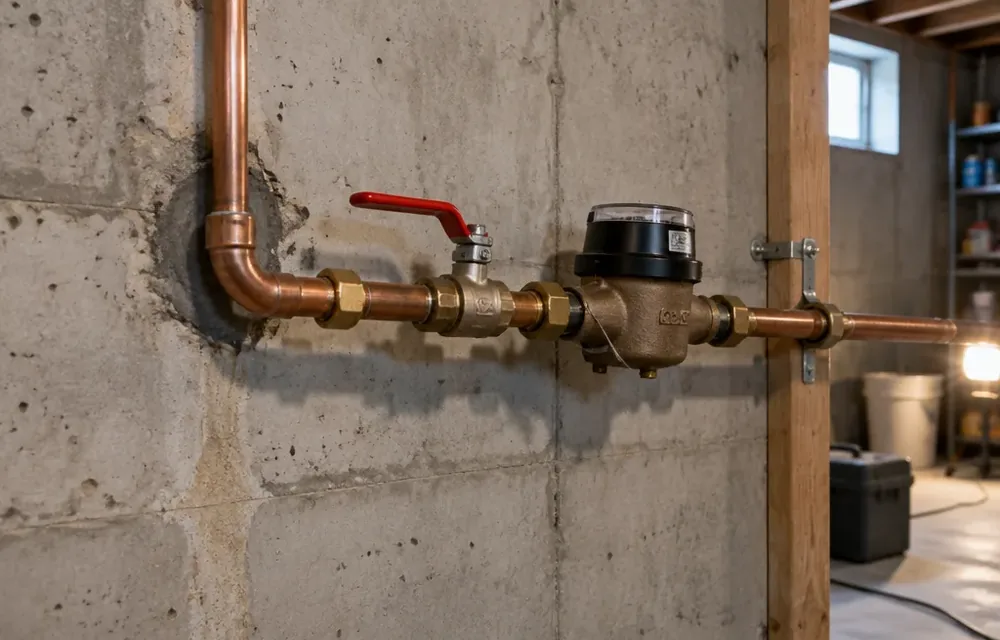
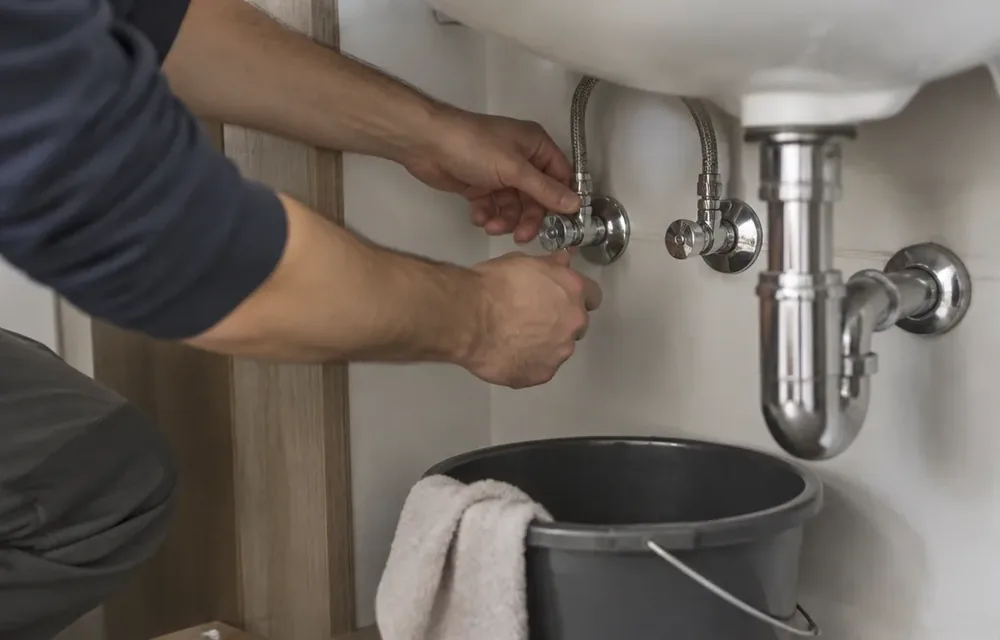
Valve action: Main shutoffs stop all potable flow where the street or well supply enters the home, while fixture stops isolate single faucets, toilets and heaters. Main shutoffs give whole home control and fixture stops give local control without draining the home.
Gate versus ball behavior: Older gate valves close with several turns of a round handle that lowers a wedge, while newer ball valves close with a short lever turn that aligns a port. Ball levers that sit parallel to the pipe run open and crosswise sit closed. Stiff gates need steady pressure rather than force, since snapping a stem floods the very area you hoped to protect. See leak repair scope for valve work boundaries.
Relief after closing: Opening a low faucet after closing the main drains residual pressure and shows the valve holds. A laundry tub or basement slop sink makes a sound relief point. Water that keeps flowing strong after closing points to a worn valve or a second feed that needs tracing through emergency help triage.
What causes stuck valves, and how can you tell types apart?
Stuck causes: Stuck valves come from mineral crust on stems, packing that dried out, handles removed during remodels, and valves buried behind storage. Stuck valves often sit on supplies that no one touched for many seasons, so the first test comes during an active leak.
Tell the type fast: Round wheel handles usually mark older gate valves that need several turns, while flat levers usually mark ball valves that need a short turn. Tags, paint and corrosion often hide the body, so wipe the stem area and look for lever versus wheel before pulling. Note which valve feeds the whole home versus single fixtures, because that map prevents closing the wrong path. Compare fixture stop notes for local isolation points.
Warning signs: Handles that spin without resistance, stems that weep when moved, and levers frozen mid travel all mark valves that need service rather than force. Valves boxed behind finished panels without access doors also fail the moment they matter most. Photograph valve locations in calm weather so the leak hour map already exists through winterize prep planning.
What to do in order when water runs free
Ordered shutoff: Ordered shutoff starts with the nearest working valve, then the main where local control fails. Ordered shutoff then adds power safety and call staging so one action does not create another hazard.
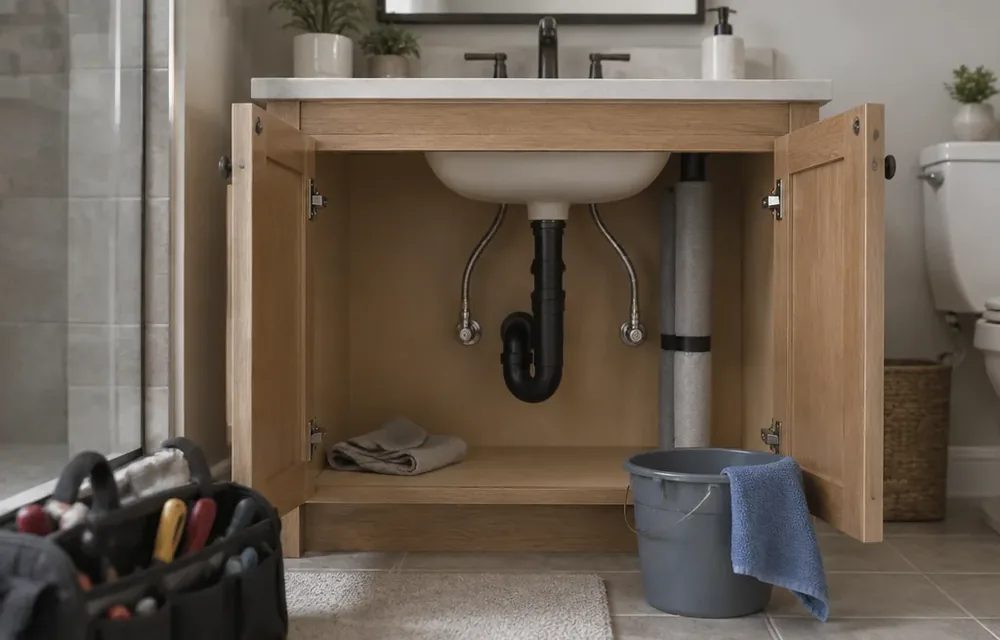
Step order without numbers: Close the fixture stop under the sink or behind the toilet where it moves freely, using steady hand pressure and stopping if the stem weeps heavily. Where local stops will not budge or no stop exists, move to the main on the front basement wall or near the meter and close it the same way. Open a low faucet to relieve pressure, kill power to wet electrical areas only from a dry spot, and call (978) 592-1168 with valve behavior ready. Review emergency plumber actions while water slows.
After flow stops: Leave faucets as found once pressure fades, note the meter behavior and photograph the leak source without opening walls. Do not reopen the main to test the leak repeatedly, since each surge spreads water farther. Keep children and pets clear of wet floors and sagging ceilings until the visit through burst pipe notes.
Where Chelmsford area valves hide
Common spots: Chelmsford area main valves hide on the basement front wall where the supply rises through the foundation, near the water meter where one exists. Chelmsford area fixture stops hide under sinks, behind toilets and above heaters along the cold feed.
House style clues: Center colonials often carry the main low on the front foundation with a meter nearby and older gate hardware. Capes and ranches often route the entry through a crawl or utility corner where insulation hides the stem. Finished basements often box valves behind access panels that storage then blocks. Homes near Dracut with finished lower levels, near Acton splits with crawl entries, and near Concord antique colonials with layered remodels all reward a calm pre search.
Make a home map: Walk the home in dry weather, tag the main and each fixture stop with plain labels, and clear storage from the approach path. Test each valve gently for movement and note which ones weep or freeze. Share that map on the call so guidance points you to the valve that actually works through the cost guide scoping.
Simple care that keeps valves working
Valve care: Valve care means knowing location, keeping access clear and exercising suitable valves gently during calm seasons. Valve care prevents the frozen stem surprise that turns a small drip into a long flood.
Safe habits: Keep the main approach clear of boxes and paint, keep a flashlight nearby, and keep meter keys or access tools where adults can find them. Turn suitable ball levers gently to confirm movement, then return them to the prior position without forcing stiff gates. Where a valve weeps or freezes, leave it alone and schedule service rather than muscling it. See fixture service for stop replacement timing.
What not to force: Do not force a gate that needs pliers to move, do not hammer a lever past mid travel, and do not cap a relief discharge to stop dripping. Those moves break stems and hide pressure faults. Note the behavior and let the visit replace the valve with suitable access and labeling through leak repair work.
Limits of homeowner shutoff work
Shutoff limits: Shutoff limits appear at the street curb stop, at seized valves inside walls, and at gas or electrical hazards around the leak. Shutoff limits also apply to opening concealed piping to reach a hidden valve.
What stays with a license holder: Street side curb stops, meter work, concealed valve relocation and repiping past the main belong with a license holder under state code. Forcing those points risks flooding, contamination or code faults. If the main will not close or no main can be found, stop water use where possible and call rather than digging or cutting. Review homeowner plumbing rules for the boundary before touching tools.
Safety boundary: Do not enter standing water to reach panels, do not touch wet wiring or heaters, and do not drain a boiler or heater without guidance. Those tasks mix water with power and fuel in ways that punish guessing. Describe the hazard on the call so the visit stages the right precautions through emergency help.
When to call after shutting water off
Call timing: Call timing after shutoff fits any burst, heater leak, relief discharge that will not stop, and ceilings that sag or stain and spread. Call timing also fits valves that weep, spin or freeze, since the next leak will test them again.
How to call well: Call (978) 592-1168 with leak location, valve type and behavior, meter movement and photos of the source ready. Say whether the main holds or seeps, whether power areas stay dry, and whether heat needs protection in cold weather. Keep the main closed and fixtures quiet until the visit unless guided otherwise. See what counts as an emergency and what moves the price for scope.
Massachusetts rules: Potable shutoff and valve work in Massachusetts falls under 248 CMR, the Uniform State Plumbing Code, with the Board of State Examiners of Plumbers and Gas Fitters governing who may alter supply piping as listed on mass.gov. We tag main and fixture stops, replace failed valves with suitable access and leave the home map marked. Permits move through the local inspector where repiping or meter side changes apply.
Near you
When to call
Related guides
Frequently asked questions
Where is my main water shutoff in Chelmsford?
The main usually sits on the basement front wall where the supply enters, near the meter where one exists. Look low on the foundation facing the street, then trace the cold feed to the first valve. Finished walls and storage often hide it behind panels. Photograph and label the spot in dry weather.
What if my main valve will not turn?
Leave a frozen valve alone rather than forcing it, then use a working fixture stop where one exists. Forcing a stem can snap it and flood the area. Note wheel versus lever type and whether the stem weeps. Call for valve service and keep water use low until the visit replaces the faulty control.
Should I drain the house after closing the main?
Open one low faucet to relieve pressure, then leave the system quiet rather than draining the whole home. Full draining can draw air into loops and heaters that later need careful refilling. Note meter behavior and leak photos instead. Let the visit guide any further draining or refilling steps.
Can I replace a shutoff valve myself in Massachusetts?
Homeowners can label valves and keep access clear, but opening supply piping and altering valves past basic care belongs with a license holder under 248 CMR and Board rules. Street side stops and concealed relocations need permits and inspection. Call with valve photos and behavior notes for sound staging.
Still stuck?
Describe what you see when you call and a local specialist will guide the next step.