How does a plumbing emergency differ from a routine repair?
Emergency difference: A plumbing emergency differs from a routine repair because harm is active and waiting would clearly allow more harm by morning. Water keeps moving, sewage keeps rising, heat loss threatens pipes, or gas odor signals a safety risk that sits above plumbing alone. Routine trouble stays contained when you stop using one fixture and can wait for daylight diagnosis.
Active versus contained clues: Active trouble shows as flow through a ceiling, water running down a wall cavity, pooling across a floor, or waste rising in a tub or floor drain with each flush. Contained trouble shows as a single slow sink, a faucet drip, a toilet that runs yet stops at its supply valve, or a dry stain from an old event. Multiple fixtures failing together point toward a main line or system issue rather than a single trap. That multi fixture pattern links closely to drain cleaning and later camera review.
Safety overlay changes everything: Power safety, gas odor, and sewage contact turn even modest water trouble into urgent help. Water near live outlets, a boiler area with odd smells, or waste water on floors calls for distance and a call before any hands on step. When gas odor is strong or alarms sound, leave the area and contact the gas utility or fire service first. Plumbing help follows once the scene is declared safe, as with emergency plumber help.
What causes emergencies and how do you tell causes apart?
Emergency causes: Emergency causes fall into supply failures, drain and sewer backups, water heater and boiler failures, and fuel or vent safety events. Each cause leaves a different trail of sound, smell, and location that helps you tell one from another. Learning those trails keeps your first actions matched to the real system.
Supply versus drain trails: Supply failures show as clean water under pressure from lines, valves, or heater connections, often with hissing and a meter that keeps moving when fixtures are off. Drain and sewer backups show as slow emptying across more than one fixture, gurgling, and waste appearing in low tubs or basement drains. If stopping water use halts the rise, the drain path is suspect, while flow that continues with fixtures off points to supply. That distinction guides whether leak detection and burst pipe repair or sewer line repair and replacement fits next.
Heat and heater trails: No heat with cold radiators or baseboard in cold weather points to boiler or control trouble with freeze risk attached. No hot water alone with no leak often traces to heater controls or fuel rather than an emergency, while water pooling at a tank base with rust or relief discharge points to tank trouble that needs prompt help. Gas odor near piping or a boiler with soot and scorch marks sits in a safety first group of its own. Notes on boiler emergency explained and water heater installation and repair help you place those signs.
What should you do first, second, and next?
Ordered actions: Ordered actions for a suspected emergency start with people and power safety, then stop flow or use, then call with a clear account. That order keeps you from stepping into water near live power to reach a valve that can wait one minute. Keep the steps short enough to recall under stress.
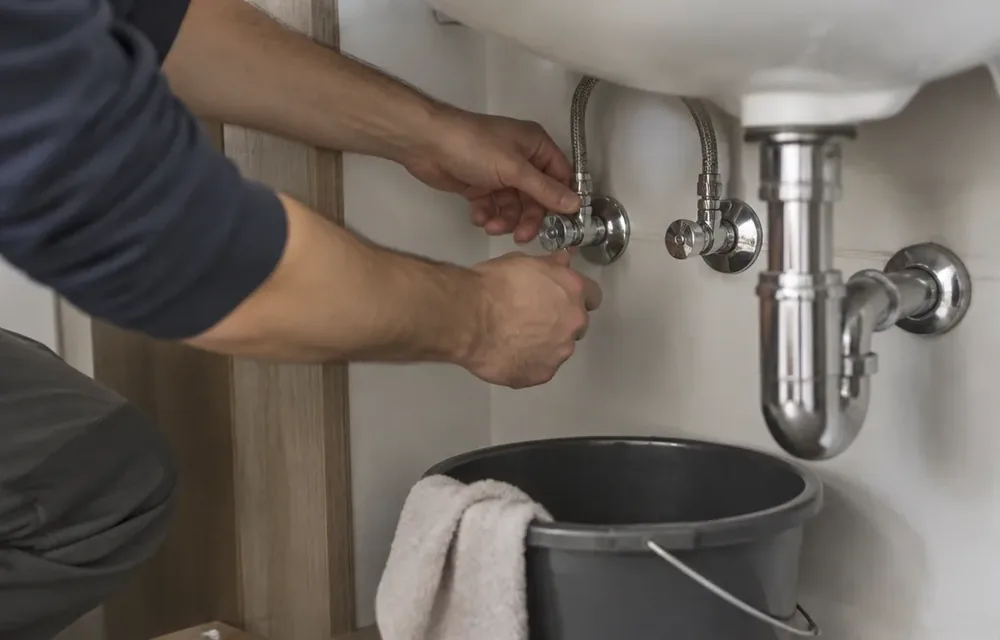
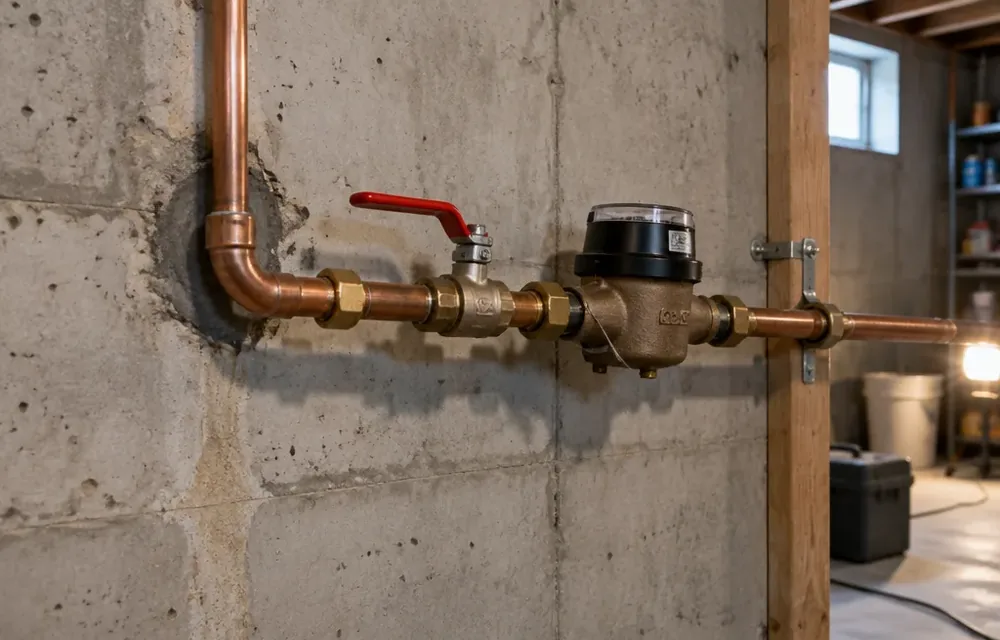
Stop the right flow: For clean water, close the nearest fixture valve when reachable without entering standing water near outlets. When that valve sticks or flow continues, move to the main shutoff where the line enters, often in the basement on the street side, and close it fully. For drain backups, stop using all fixtures and avoid plunging with chemical opener in the line, because opener sitting in the trap creates a hazard for later work. Full shutoff detail sits in how to shut off the water main.
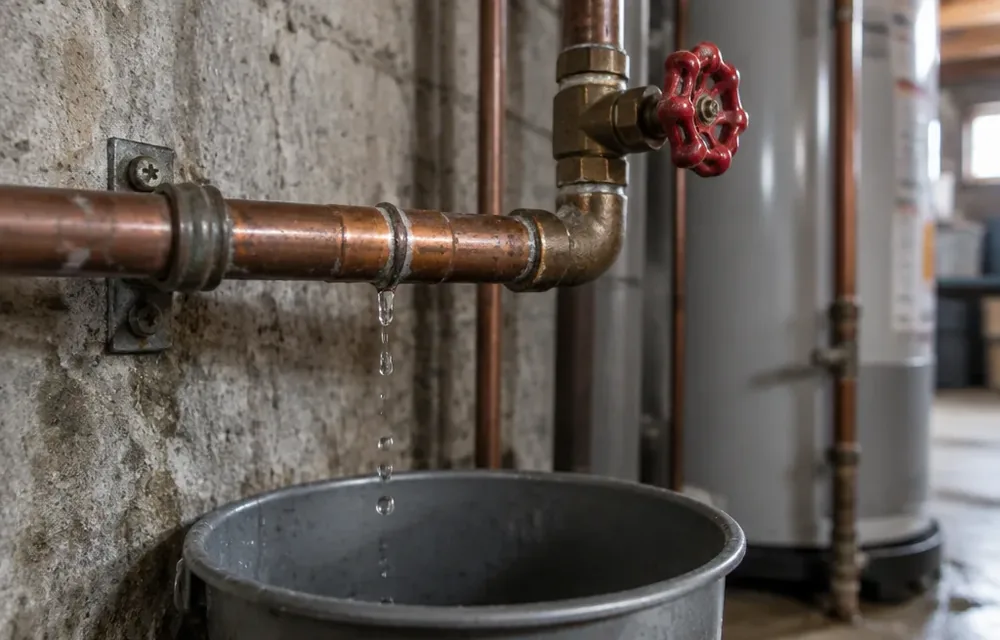
Protect, note, and call: Move rugs and electronics, set a bucket under a drip, and lay towels at the edge of spread to slow travel toward finished rooms. Note which fixtures were in use, what you hear and smell, and whether heat or hot water changed at the same time. Call (978) 592-1168 with that account for homes in Chelmsford, Billerica, and Tewksbury. Keep the path clear for later access and keep children and pets away from wet and waste areas.
Urgent now or morning visit compared
Timing comparison: Timing comparison turns vague worry into a clear choice between help now and a morning visit. The test is simple: whether active harm continues, whether safety is involved, and whether waiting would clearly widen harm. The table below applies that test to common calls.
Single fixture versus system signs: A single slow sink or a toilet that stops at its valve usually fits morning service when you rest that fixture. Waste in more than one low fixture, water through a ceiling, or heat loss with freeze risk rarely fits waiting. Gas odor with symptoms or alarms always moves to utility or fire service first. That grouping matches triage in emergency plumber help and boiler installation and servicing.
Chemical and power cautions: Chemical openers change timing because they add burn risk to any later opening of the trap or line. Power near standing water changes timing because shock risk outweighs water harm until power is made safe. Tell the person on the phone about both so the plan respects them. For repeat main line trouble, later comparison of drain cleaning with hydro jetting helps once flow is restored.
| What you see | Help now | Morning visit | First action |
|---|---|---|---|
| Clean water spreading from line or valve | Flow continues after fixture valve is closed | Drip stops fully at fixture valve | Close fixture valve then main where needed |
| Drains slow or back up | Waste rises in tub or floor drain | One sink slow with no overflow | Stop all water use and keep fixtures off |
| Toilet runs or will not flush | Water overflows onto floor | Runs but stops at supply valve | Close supply valve and rest the fixture |
| Heat or hot water changes | No heat with freeze risk or leak at unit | No hot water alone with no leak | Note gauges and sounds without opening unit |
| Smell near gas piping or boiler | Strong odor or alarm activity | Faint brief odor that clears with air | Leave area and contact utility or fire service first |
Why these calls cluster around Chelmsford
Chelmsford call pattern: The Chelmsford call pattern reflects basements that hold much of the plumbing in one room, plus winter exposure and mature street trees. Water heaters, boilers, washers, and the main shutoff often share one basement space, so one failure can wet finishes, heat equipment, and storage together. That shared room layout makes early shutoff more valuable here.
Water, weather, and roots: Much of Chelmsford draws town water through the Lowell Regional Water Utility system, which moves about four point six billion gallons per year for about one hundred thirty five thousand customers across Lowell, Dracut, Tyngsborough, and Chelmsford. Billerica Water Works serves nearby areas from its Treble Cove Rd plant. Strong street pressure aids daily use yet feeds more water through a failed valve before shutoff. Winter exposes runs in crawl spaces and garage walls, spring rain lifts the water table near river lowlands, and roots seek older sewer joints, forces that link this guide to frozen pipe prevention and thawing, sump pump installation, and winterize plumbing in Chelmsford.
Neighborhood access notes: Colonials near the center often hide supply runs inside finished walls and ceilings, while capes and ranch additions route piping through colder edge spaces. Subdivisions off main routes add long branch drains where a main blockage shows first at the lowest fixture. Knowing your lowest drain, your main shutoff, and your cleanout location before trouble starts shortens triage for Lowell, Westford, and Lexington as well as Chelmsford.
Limits of self help during active trouble
Self help limits: Self help limits during active trouble sit where safety, code, and hidden harm begin. Closing a valve, resting fixtures, placing a bucket, and moving belongings are homeowner actions that help without opening systems. Opening supply or drain piping, altering vents or traps, or touching gas piping moves beyond that boundary.
Code boundary in plain terms: Plumbing work in Massachusetts falls under Two Forty Eight CMR, the Uniform State Plumbing Code, with gas fitting rules alongside it through the Board of State Examiners of Plumbers and Gas Fitters on mass dot gov. Emergency control such as closing a valve is homeowner action, while opening piping or working on gas generally calls for a license holder and often a permit through the town inspector. That is why guidance here stays with shutoffs and safety rather than cut and join steps. Deeper background sits in homeowner plumbing rules and hiring and license checks.
Hidden harm after flow stops: Stopping visible flow does not end the event when water has entered wall cavities, insulation, or subfloor. Damp materials hold moisture that feeds odor and surface trouble later, and a drain line that clears once can still hold roots or scale that invite the next backup. Plan for drying of finishes and for camera review after main line events. Those follow ups sit with leak detection and burst pipe repair and sewer line repair and replacement.
When should you call for help without waiting?
Call without waiting: Call without waiting when water keeps spreading, sewage enters living space, heat is out with freeze risk, or gas odor is suspected. Those four patterns carry active harm or safety risk that morning light will not improve. A contained drip that stops at its valve does not meet that bar.
How to describe trouble fast: State the room, the source when known, whether flow continues with fixtures off, and whether more than one fixture is affected. Add sounds and smells, heater or boiler changes, and any chemical opener already used. Mention power safety near standing water and whether the main shutoff moves freely. That short brief speeds triage for Chelmsford, Concord, and Burlington.
What happens on the call: Call (978) 592-1168 and talk through the nearest fixture valve first, then the main where needed, while help is arranged. Keep fixtures off during sewage events, keep clear of outlets under water, and leave the area for suspected gas before any plumbing step. When the account points to a morning job, you will be told so plainly and guided toward drain cleaning or fixture installation for faucets and toilets for a daytime plan.
Near you
When to call
Related guides
Frequently asked questions
What counts as a plumbing emergency?
A plumbing emergency means active harm or safety risk that cannot wait for morning. That includes supply flow you cannot stop, sewage backing into tubs or floor drains, a burst section with spreading water, no heat with freeze risk, or gas odor near piping. A single slow drain with no overflow or a drip that stops at its valve usually fits a daytime visit.
Is a running toilet an emergency?
A running toilet is rarely an emergency when its supply valve stops the flow fully. Close the valve, rest the fixture, and book daytime service for fill and flush parts. It becomes urgent only when water overflows onto the floor or the valve will not close. Note the valve behavior on the call so the visit starts in the right place.
What should I shut off first?
Close the nearest fixture valve first because it rests one appliance without draining the whole home. When that valve sticks or water keeps coming, move to the main shutoff where the line enters and close it fully. Ease open a low faucet to relieve pressure toward a safe drain. Read how to shut off the water main for the full sequence.
Can I use fixtures during a sewer backup?
Do not use fixtures during a sewer backup because each flush or drain cycle can raise waste higher in low tubs and floor drains. Keep toilets, showers, washers, and dishwashers off until flow is restored and the cause is checked. Note which fixtures share trouble for later camera review. Call (978) 592-1168 when waste enters living space.
Who do I call for gas odor near a boiler?
Leave the area and contact the gas utility or fire service first when gas odor is strong or alarms sound. Do not operate switches or open gas piping yourself. Plumbing and heating help follows once the scene is declared safe. For milder boiler signs without odor, read boiler emergency explained and call for heat help.
Still stuck?
Describe what you see when you call and a local specialist will guide the next step.