How to tell a true emergency from a morning job
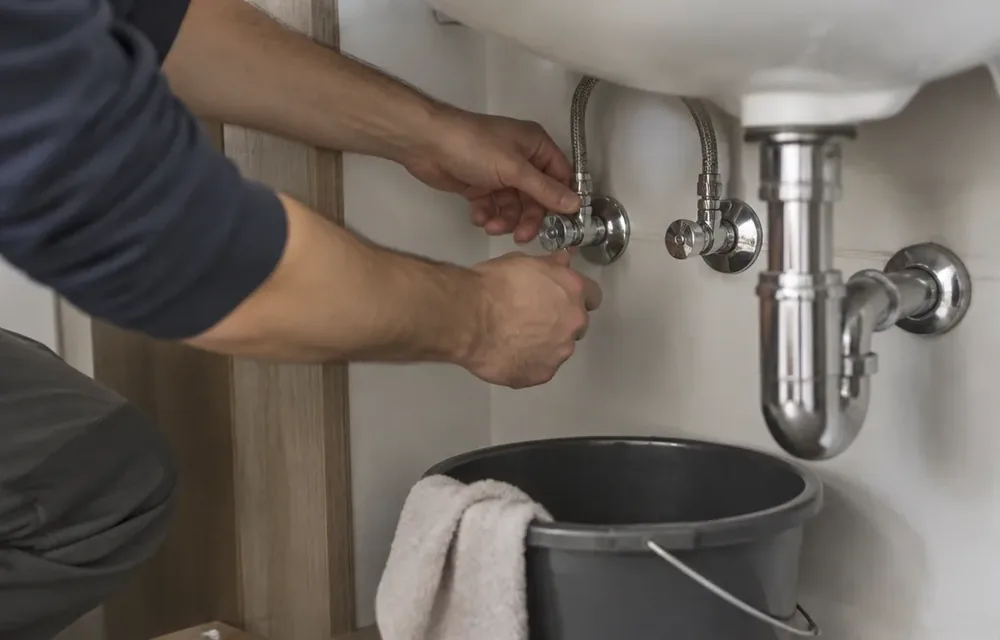
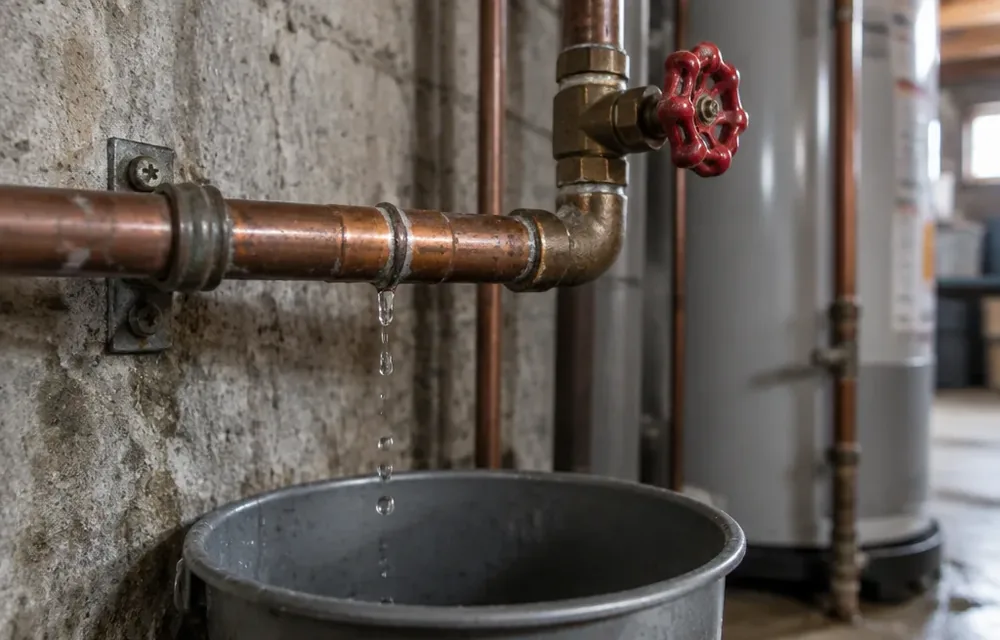
Active leak you cannot contain: water coming through a ceiling, running down a wall cavity, or pooling across a floor is an emergency even if it looks small at first. Place a bucket, move rugs and electronics, then close the nearest fixture valve and call us.
Drain problem with a safe pause: a single slow sink or a gurgling toilet with no overflow can often wait for morning if you stop using that fixture. If more than one fixture backs up at once, or sewage appears, treat it as urgent and read backed-up sewer signs while you keep water use off. Multiple-fixture trouble points to a main line blockage rather than a simple trap clog.
Heat and hot water in context: no hot water alone is uncomfortable but rarely an emergency unless water is leaking from the tank. No heat when pipes can freeze is urgent in Chelmsford winters, especially in capes and colonials with piping in exterior walls. When in doubt, call and describe what you see and we will tell you honestly if it can wait.
Why emergencies look this way around Chelmsford
Chelmsford has a mix of older colonials near the center, capes with finished basements, and mid-century subdivisions off the main routes. Many homes have copper supply lines joined to older galvanized sections, plus basements that hold the water heater, boiler, washer, and main shutoff in one room. When a supply line lets go or a water heater starts leaking, that basement layout means water finds finished space fast.
Winter adds freeze risk in crawl spaces, garage walls, and additions where piping was added later without enough protection. Spring and heavy rain raise the water table near the Concord and Merrimack river lowlands, so sump pump failure and wet basement calls cluster after storms. Tree-lined streets also mean roots find older clay or concrete sewer joints, which is why a main-line backup often shows up first in a basement shower. Homes on town water are served by the Lowell Regional Water Utility system in much of Chelmsford, with Billerica Water Works serving nearby areas from its Treble Cove Rd plant, so street pressure can be strong and a failed supply valve matters more.
Options honestly compared when water is loose
Phone guidance first: for many calls the most useful step is a calm walk-through of shutoffs, breakers, and what not to touch. We do this on the call because closing the right valve early limits damage more than any tool we bring later.
Temporary control compared with full repair: a capped line, closed isolation valve, or drained-down section can make the home safe overnight, with the permanent fix scheduled in daylight. Full opening of walls or digging outside at night is reserved for cases where waiting would clearly cause more harm, because light, access, and parts availability are better by day. We explain both paths so you can choose with clear trade-offs.
Drain backup choices: a single-fixture clog may clear with a plunger or a hand auger, while a main-line backup needs professional cable work and often a camera look afterward. Chemical openers are a poor trade in an emergency because they sit in the line and create a hazard for the person who opens it. If you already used one, tell us so we can work safely. For repeat trouble, compare drain cleaning with hydro jetting once flow is restored.
What moves the cost
Access and extent: an exposed basement valve costs less in labor to reach than a leak inside a tiled wall or a finished ceiling. The spread of water matters too, because drying and patching of surfaces are separate from the plumbing fix itself.
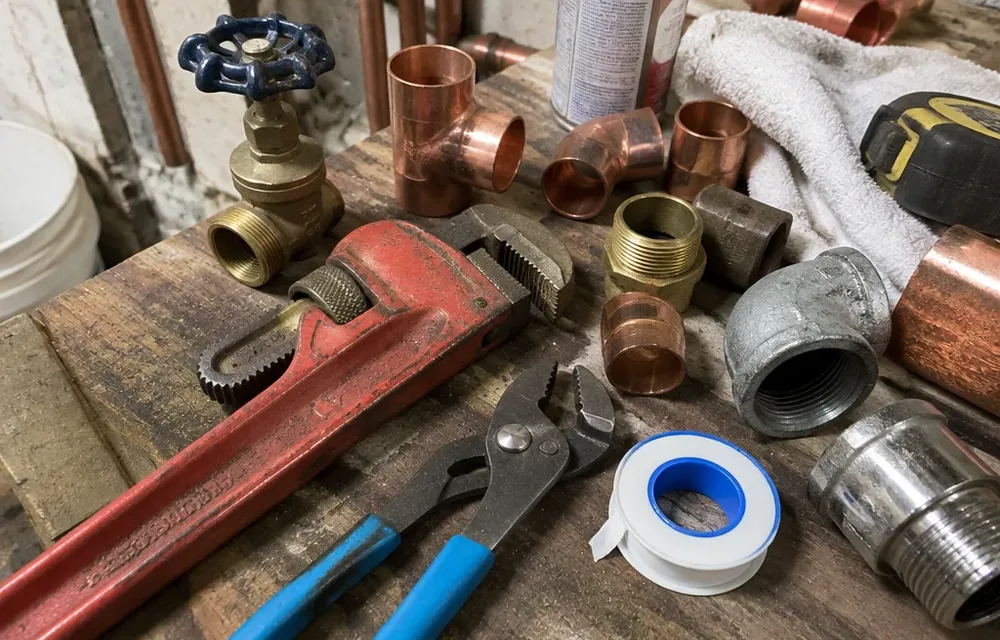
Pipe material and parts: copper, PEX, galvanized, and CPVC each need different fittings and methods, and older sizes can take longer to adapt cleanly. Boiler or water heater parts vary by brand and age, and some controls are only available through supply houses during business hours.
Time, permits, and follow-up work: night, weekend, and holiday dispatch carries higher labor factors than daytime visits, and work that opens walls or alters piping may need a permit and inspection under the state code. Camera inspection, jetting, or sewer excavation each add equipment and crew factors. We describe these drivers on site so you understand what shapes the plan, and you can read emergency plumbing cost in Chelmsford for context without any numbers promised here.
When this is the wrong answer
Emergency dispatch is the wrong answer for a slow drain with no overflow, a dripping faucet, a running toilet that stops at the shutoff, or a water heater that is simply old and noisy. Those are better handled as daytime visits where we can test, show you parts, and plan without night-work limits.
Gas odor with strong symptoms, sparking electrical near water, or a flooded basement with live outlets under water needs the gas utility or fire service first, then us once the scene is declared safe. If you are unsure which service you need, call and describe the smell, sound, and where water is, and we will point you to the right first call even if it is not us.
Standards that apply in Massachusetts
Plumbing work in Massachusetts falls under 248 CMR, the Uniform State Plumbing Code, and gas work falls under the gas fitting rules enforced through the Board of State Examiners of Plumbers and Gas Fitters. Emergency control such as closing a valve is homeowner action, but opening piping, altering drainage, or working on gas piping generally requires a license holder and often a permit through the local inspector.
We follow that code on every visit, including proper shutoffs, dielectric separation where metals meet, correct trap and vent practice, and carbon monoxide awareness around fuel-burning equipment. If a fix needs inspection, we tell you before work starts so there is no surprise at sign-off. For background on hiring, see how to check a plumber license in Massachusetts.
Signs you need this
Water that will not stop
A supply line, water heater inlet, or toilet supply that keeps running after the valve is closed needs same-day help to limit damage.
Sewage coming back inside
Waste in a tub, shower, or basement drain means the drain path is blocked or the sewer is backing up and fixtures should stay off.
No heat or smell of gas in winter
A cold boiler or a gas odor near piping is a safety issue first and a plumbing issue second, so call and ventilate without delay.
What happens on a visit
We ask where water is, what you hear and smell, and whether breakers or the boiler switch are safe to leave on. We guide you to the nearest fixture valve and then the main shutoff if needed.
We confirm power and gas safety, stop active flow, protect floors with drop cloths, and check the water heater, boiler, and basement drains so one problem does not hide another.
We trace the leak path, test fixtures in sequence, and use a meter and camera where drains or hidden lines are suspect. You see what we see before any opening is made.
We cap, close, or isolate the failed section so the home is safe, then lay out repair paths with access needs and permit steps in plain terms.
We complete the agreed fix, reopen valves slowly, check joints under pressure, run fixtures, and confirm drains carry and the boiler or heater fires if it was affected.
When this is the wrong answer
Do not book emergency dispatch for a slow bathroom sink, a dripping faucet, a toilet that runs but stops at the valve, or a stain from an old leak that is fully dry. Those are daytime jobs where careful testing saves money. If sewage is rising, water is actively spreading, heat is out with freezing weather, or gas is suspected, that is the opposite case and you should call now.
Related reading
Where it comes up
Related services
Frequently asked questions
What is considered an emergency plumbing situation?
A plumbing emergency means active harm or a safety risk that cannot wait for morning. That includes a supply leak you cannot stop, sewage backing into tubs or floor drains, a burst pipe with water spreading, no heat during freezing weather, or a gas odor near piping. A single slow drain with no overflow, a drip, or a running toilet that stops at its valve can usually wait for a daytime visit.
How much should I pay for an emergency plumber?
You should pay for the visit factors involved rather than a flat number quoted blind. Night and weekend dispatch, access difficulty, pipe material, extent of damage, and whether parts or permits are needed all shape the final scope. Ask what was found, what choices exist, and what drives labor on your job. Our cost guide explains emergency plumbing cost in Chelmsford in plain terms.
How much does a plumber charge for an emergency call?
An emergency call reflects dispatch time plus the work found on site. After-hours labor, difficult access inside finished walls, main-line equipment such as cables or cameras, and any permit and inspection steps move the total more than the phone call itself. A clear on-site diagnosis with choices matters more than a phone figure. We describe drivers before work starts so you can decide.
What is the hourly rate for a plumber in MA?
Rates in Massachusetts vary by license level, time of day, and the kind of work, so no single number fits every job. Emergency, boiler, and sewer excavation work carry different labor and equipment factors than a simple fixture swap. Focus on what is included, how access and permits are handled, and what the retest covers. Our guide to plumber hourly rates in Massachusetts explains the factors.
Can a homeowner do their own plumbing work in Massachusetts?
Massachusetts limits most plumbing and gas fitting to license holders under 248 CMR and the Board of State Examiners of Plumbers and Gas Fitters. Homeowners can operate valves, plunge a toilet, and clear a minor trap, but opening supply or drain piping and any gas work should be left to a license holder with a permit where required. Unpermitted work can create insurance and resale trouble. See homeowner plumbing rules.
What should I shut off first in a plumbing emergency?
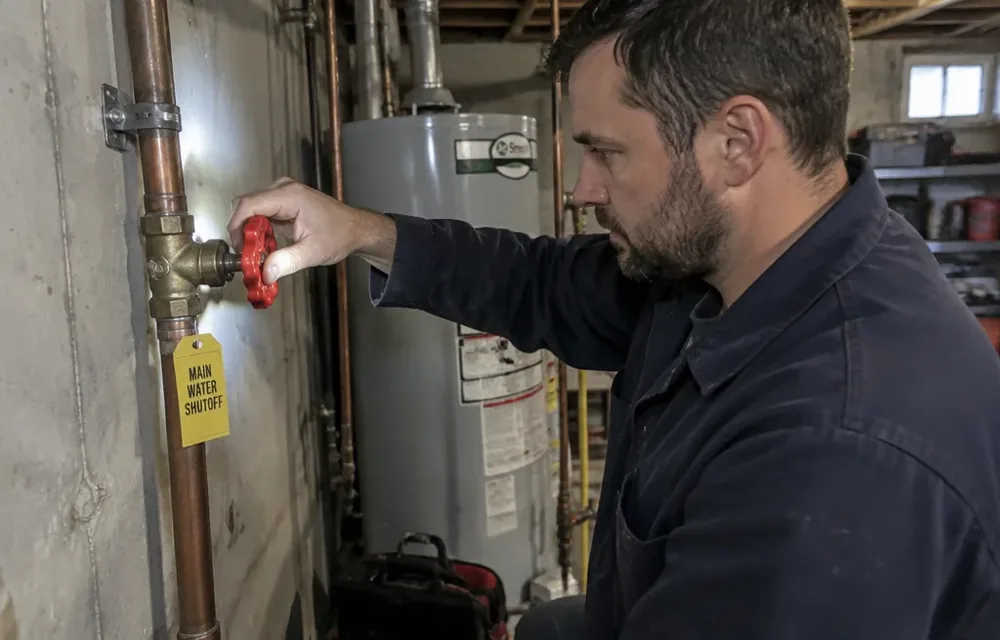
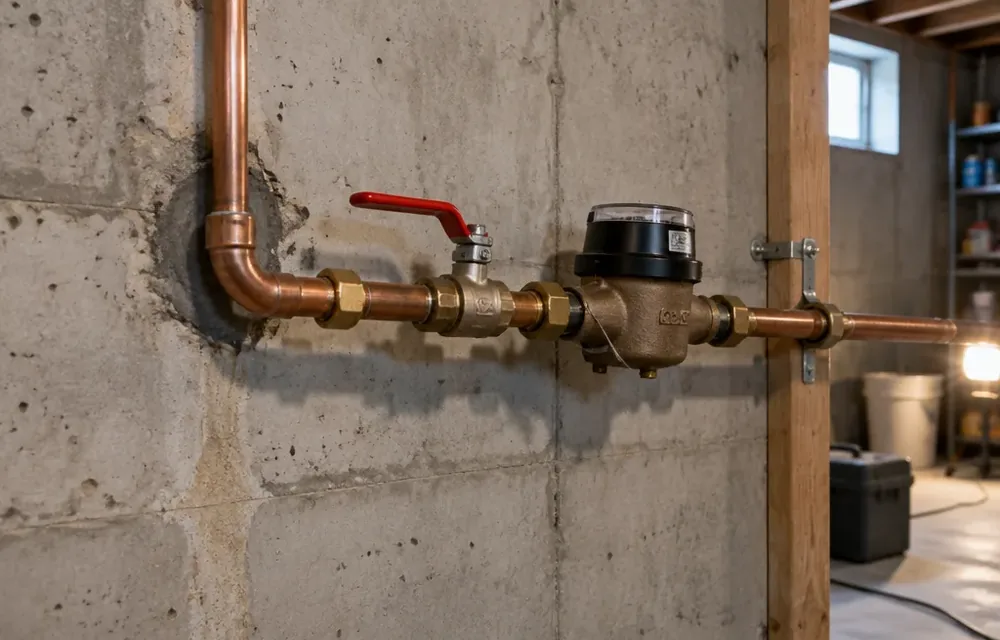
Close the nearest fixture valve first because it stops one appliance without draining the whole house. If that valve sticks or water keeps coming, go to the main shutoff where the water line enters, usually in the basement on the street side, and turn it fully closed. Then switch off the water heater feed if it is leaking and avoid live outlets in standing water.
Need emergency plumber in Chelmsford?
Call now and describe what is happening. A local specialist takes it from there.