Signs
Weak swirl with no backup
A lazy swirl that clears paper slowly but never rises usually means low tank level, a short flapper lift, or mineral-choked rim jets.
Bowl fills and stays full
Water that rises toward the rim and drains only over hours signals a trapway plug or a branch restriction past the toilet.
Handle needs holding down
A flush that only completes while the handle is held points to a short chain, a waterlogged flapper, or a failing flush valve seal.
Gurgling from nearby fixtures
Tub or sink gurgles during a flush implicate the branch vent or shared drain rather than the toilet itself.
What a failed flush looks like
Direct answer: A failed flush falls into weak flush, no flush, or rising bowl, and each pattern names a different fault. Weak flush moves waste slowly without rising, no flush leaves the bowl undisturbed when the handle does nothing, and a rising bowl climbs toward overflow with each attempt. Matching your pattern first prevents plunging a tank fault or rebuilding a tank around a drain plug.
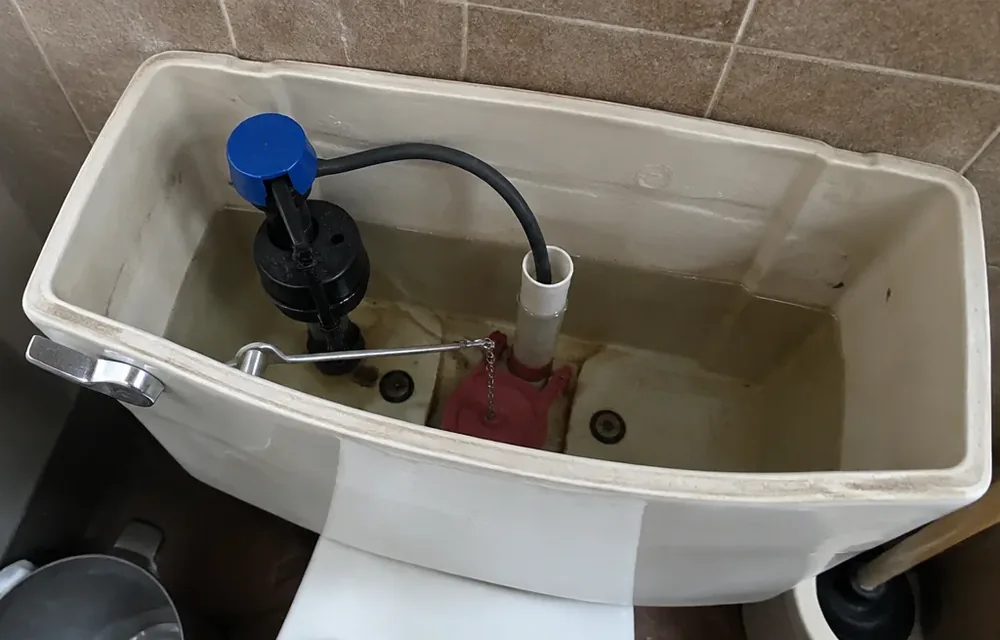
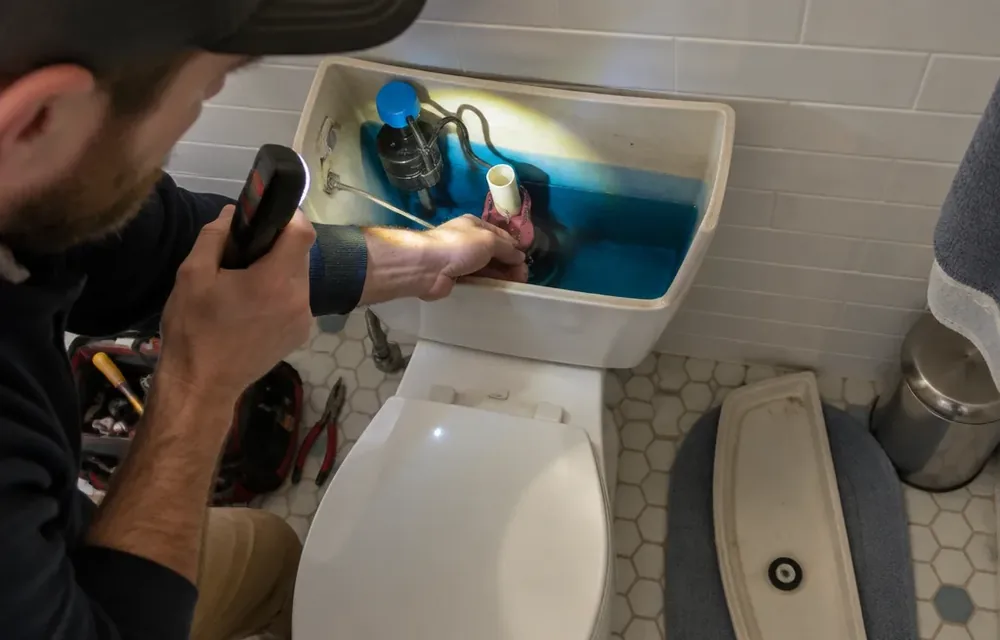
Tank-side tells: Tank water below the marked line, a flapper that drops in seconds, a chain with no slack or far too much, and a fill valve that hisses endlessly all sit on the tank side. Dye in the tank that reaches the bowl without flushing proves a leaking flapper that steals the flush volume. These parts wear with daily use and hard water, and they explain most weak flushes in family bathrooms. See running toilet signs for the sounds these parts make.
Drain-side tells: A bowl that rises, paper that returns, and gurgles from the tub when the toilet flushes all sit past the toilet in the trapway, branch, or vent. Multiple slow fixtures across the bathroom widen the suspect zone to the shared branch, while a lone toilet with a strong tank points at its own trapway. Note which fixtures connect and what changed recently, because a new low-flow swap with an old drain line behaves differently from a sudden plug. Compare clogged drain patterns while you track.
What causes each flush failure
Direct answer: Tank failures come from water level, flapper, chain, and fill valve settings and wear. Drain failures come from trapway plugs, branch buildup, blocked vents, and main line intrusion. Age, water quality, and what gets flushed decide which cause leads in your home.
Tank causes in detail: Fill valves set low or clogged with sediment never raise water to the line, flappers warped by cleaners or age dump the tank early, chains shortened by well-meaning adjustments lift and drop the flapper too fast, and rim jets crusted with scale split the flush flow unevenly around the bowl. Each of these yields a weak swirl with a bowl that never rises. Households with heavy mineral supply see rim jet and fill valve trouble sooner, which links flush strength to water treatment notes more often than owners expect.
Drain causes in detail: Wipes, thick paper, and foreign objects lodge in the trapway bend where the passage turns tightest. Branch lines collect scale and paper at joints and bellies, roof vents blocked by nests or frost starve the flush of air, and roots at the lateral joint slow the whole branch on a schedule. A toilet that flushes fine with a bucket poured fast but not with its own tank has a tank problem, while one that rises either way has a drain problem. That bucket test is the fastest separator before any tool comes out.
Look-alikes worth ruling out
Direct answer: Running tanks, sweating tanks, phantom refills, and main sewer backups each mimic a will-not-flush complaint while needing different work. A tank that refills on its own leaks rather than failing to flush, and condensation dripping on the floor is a room humidity matter rather than a flush fault. Sewage rising in a tub or shower alongside the toilet failure moves the suspect to the main line at once.
Partial flush versus true plug: A flush that clears liquid but leaves paper often traces to low tank level or split rim flow rather than any blockage, and raising the level or clearing the jets restores full action. A flush that raises the bowl every time regardless of load is a true plug that no tank adjustment will move. Trying tank fixes on a true plug wastes parts, while cabling a tank fault wastes a visit, so the bucket test plus the rise check earn their minute.
Vent versus clog: A toilet that flushes strongly some days and weakly others, with gurgles from nearby traps, often fights a partially blocked vent that changes with wind and frost. Steady failure regardless of weather points to trapway or branch buildup instead. Roof vent work belongs with proper access gear rather than ladders in bad weather, and branch video settles lingering doubt through drain cleaning inspection.
Where flush trouble clusters locally
Direct answer: Flush trouble clusters in family baths with original low-flow swaps on old drains, in hard-water streets where scale crusts jets and valves, and in tree-lined blocks where roots narrow shared branches. Colonials with stacked baths share vents that one blocked cap can starve, while condo and multi-family stacks multiply flush loads on aging branches. Long laterals through wooded soil add scheduled root slows that first show as weak toilet flushes.
Housing and water mix: Mineral-heavy town supply lays scale inside rim jets, fill valves, and trapway glazing over the years, so the same toilet flushes weaker at year ten than at year one without any single failure. Households that upgraded to low-flow bowls on original cast branches sometimes find paper needs a second flush where the old bowl managed one. Homes near Lowell with stacked baths and near Acton under street trees pair tank wear with branch roots, while Concord colonials add layered remodel vents to the mix.
What to tell dispatch: Mention the pattern among weak swirl, rising bowl, and handle behavior, whether other fixtures gurgle, and what the tank waterline shows against its mark. Note recent part swaps, cleaner tablets in the tank, and how fast failure arrived. Those facts decide whether the visit brings tank parts, a closet auger, or branch camera gear through fixture help channels.
What a visit for flush failure involves
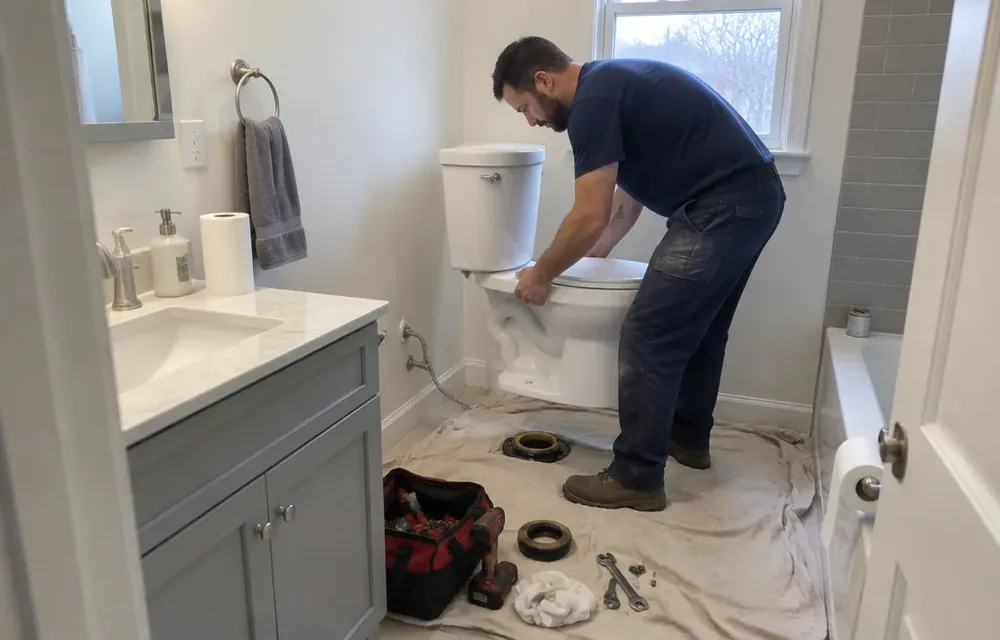
Direct answer: A visit proves tank versus drain with the bucket test, gauge checks, and flow observation before any part or cable is chosen. We read tank level against the mark, test flapper hold time, check chain slack and fill valve shutoff, and probe rim jet flow around the bowl. Only when the tank proves sound does the closet auger or branch camera come out, and upstairs behavior gets checked to rule out the main.
Tank restoration: Level setting, flapper and chain matching to the flush valve, fill valve cleaning or swap, and rim jet descaling restore full flush volume where the drain proves clear. We match flapper type to the valve rather than fitting universal parts that drop too fast, and we set chains with working slack so the handle strokes fully. Stops and supply lines get checked at the same time, since a stuck shutoff turns the next repair into an emergency.
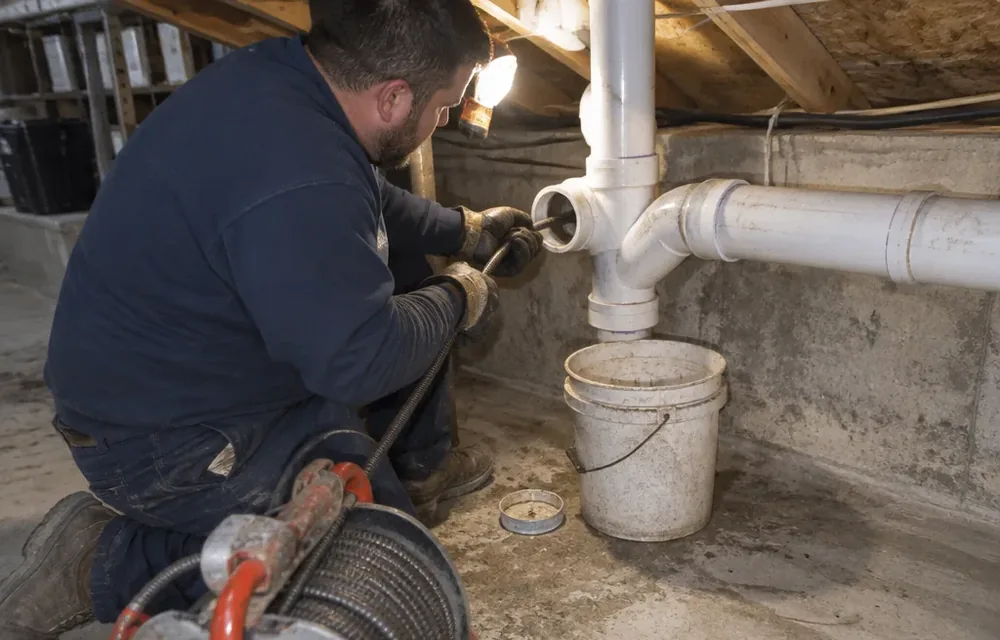
Drain clearing with proof: Trapway augering clears the bend, branch cabling restores shared flow, and camera inspection maps joints and bellies where trouble returns on schedule. We run multi-fixture tests after clearing so a weak vent or branch restriction cannot hide behind one good flush. Where video shows structural faults, planning follows sewer line repair and replacement evidence rather than another cable pass, with emergency plumbing timing when overflow threatens floors.
The service that fixes it
Related services
Related problems
Frequently asked questions
Why does my toilet flush weakly but never clogs?
Weak flush without rising usually traces to low tank level, a fast-dropping flapper, or scale-choked rim jets that split the flush unevenly. The drain passes waste, but the tank never delivers full volume. Level setting, flapper matching, and jet descaling restore strength without drain work.
The bowl fills to the rim when flushed. What now?
Stop flushing and let the level fall, since each attempt adds water the trap cannot pass. A steady rise means a trapway plug or branch restriction rather than a tank fault. A closet auger or branch cable with follow-up testing clears most cases, and camera inspection maps repeat offenders.
Why must I hold the handle down to finish a flush?
Holding the handle compensates for a chain with wrong slack, a waterlogged flapper, or a valve seal that seats too early. The tank dumps only while lifted, so release ends the flush mid-cycle. Chain adjustment and matched flapper parts restore single-press flushing.
Can a blocked vent stop a toilet from flushing?
A blocked vent weakens flushes and gurgles nearby traps because the drain cannot draw air behind the flow. Intermittent trouble that shifts with weather favors vent blockage, while steady failure favors trapway or branch buildup. Vent clearing with proper roof access resolves the air side.
Seeing toilet will not flush?
Call and describe the symptom. A local specialist will tell you the sensible next step.