Signs
Tank refills without a flush
A tank that tops up every few moments means water is passing to the bowl through a flapper or overflow path that should seal.
Constant hiss at the fill valve
A fill that never fully closes often has grit in the seal or a float set too high so water keeps edging toward the overflow.
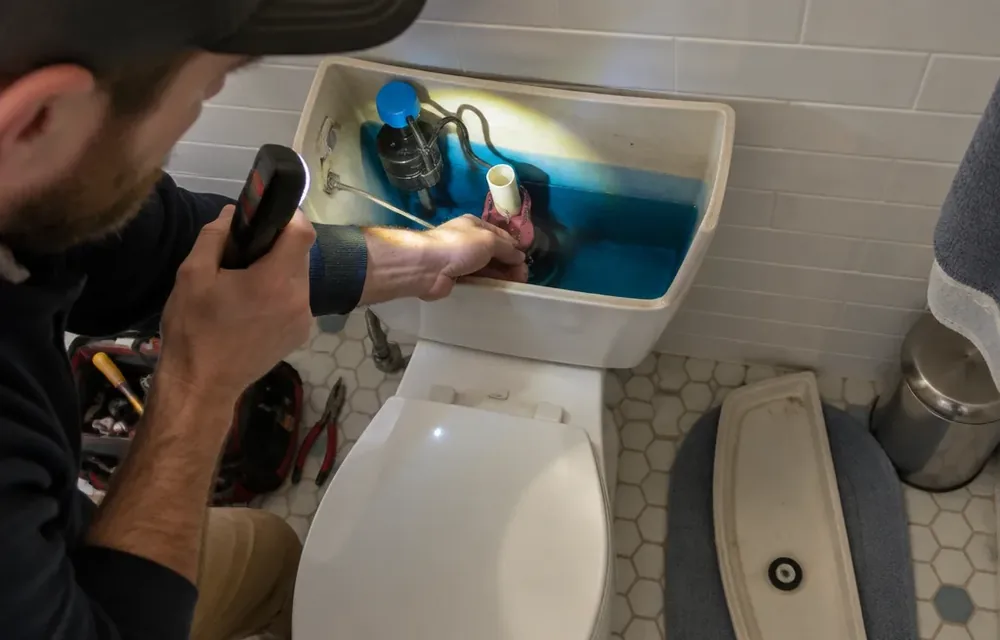
Dye reaches the bowl untouched
Color placed in the tank that appears in the bowl without flushing proves a leak path across the flapper or flush tower.
Base damp with rocking bowl
A bowl that shifts and wets at the base points to seal or flange trouble rather than tank parts alone.
A running toilet is tank water slipping where it should seal
Short answer: a running toilet is a tank that cannot hold its level because the flapper, flush tower, or fill assembly no longer seals. A running toilet wastes water with every cycle and can mask a high bill for weeks because the loss goes straight to the drain. The dye test proves the path without tools.
What you are seeing: a warped or swollen flapper that no longer seats, a cracked overflow tube that siphons the tank down, and a fill valve fouled with grit that sticks open each describe a different sound. Phantom flushes that refill on a schedule point to slow seepage, while a constant run points to a fill held open or a chain snagged under the seal. Water edging into the overflow with the float raised high confirms the level is set past the safe line.
Why the test matters: color in the bowl without a flush separates flapper seepage from fill behavior, and the water line against the overflow mark separates level faults from seal faults. Note the brand and model inside the tank lid, because correct factory parts seal more reliably than universal force. Photograph the inside before touching the chain, because small adjustments photograph better than memory.
Worn seals, grit, and level faults cause most running
Short answer: most running comes from warped flappers, gritty fill valves, and floats set too high. Hard, mineral-bearing town water leaves scale that scores seals and keeps flappers from seating, and the same grit lodges in fill valves so they chatter and stick. Chains that are too tight hold the seal ajar, while chains that are too loose snag beneath it.
Seal-side causes: flappers swell and warp with age and treatment chemistry, flush towers develop hairline paths at gaskets, and tank bolts weep just enough to lower the level between fills. Galvanized stops upstream shed rust that feeds new seals grit within weeks when old valves remain. A toilet that resumes running days after a washer-only fix often has a scored seat rather than a bad washer.
Level-side causes: floats set above the overflow mark, fill valves with tired diaphragms, and street pressure that surges overnight each push water toward the overflow. A supply stop left half closed can make the fill hunt and hiss without ever seating. Homes with steady town pressure show the fault first at the most-used toilet, where the seal cycles most often.
Some water sounds are not a running toilet
Short answer: a humming softener, a heater relief path, and a drain gurgle can sound like toilet trouble while the tank tests sound. When dye stays in the tank and the level holds for hours, the tank is not the waster. Listen with the tank lid on and off, because fill hiss changes with the lid while distant plumbing hum does not.
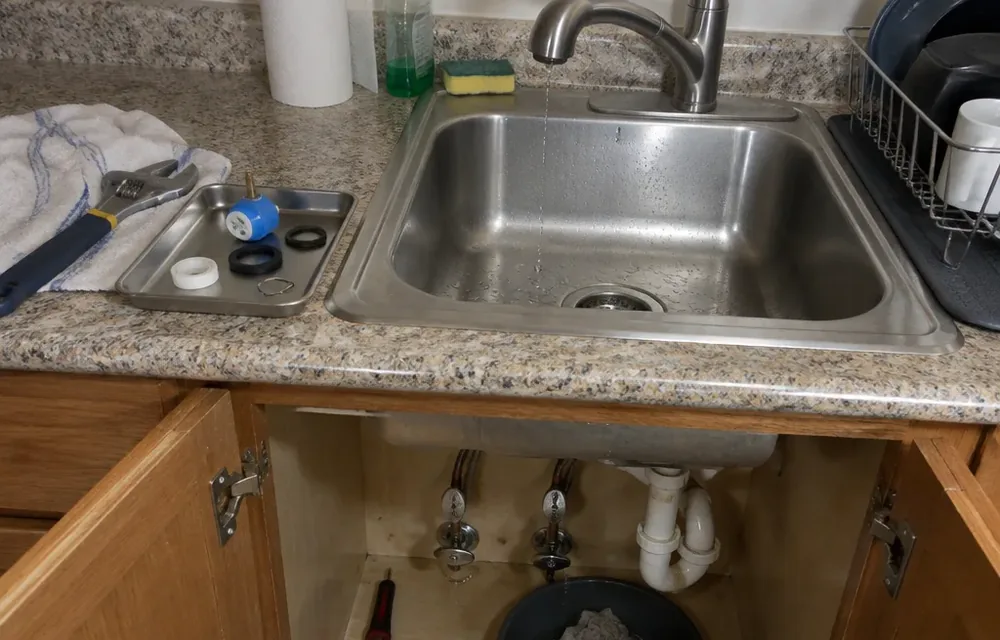
Supply-side look-alikes: a dripping faucet on a shared branch, a humidifier saddle valve passing water, and an ice-maker line with a weeping stop each move the meter without any toilet fault. A water heater relief that lifts under expansion behavior can also feed a drain line with a similar hiss. Check the meter with toilets isolated to separate these paths.
Drain and base look-alikes: a toilet that gurgles when a tub drains points to vent or branch behavior rather than tank seals, so read gurgling drains when rooms connect. A base that wets only during flushes points to a seal or flange path that tank parts will not fix. When waste rises in a tub after a flush, ask about clogged drains rather than another flapper.
Running toilets follow familiar Chelmsford-area patterns
Short answer: hard water, older stops, and busy family baths shape local toilet waste. Mineral grit in town water around Chelmsford, older supply stops in baths near Lowell and Billerica and heavily used hall baths all wear seals faster.
Where seals wear first: hall baths that serve several people cycle flappers far more than spare baths, so the busiest toilet leads the house into waste. Basement baths on long branches receive the grittiest water first, and that grit scores new flappers soon after a rinse-only fix. Powder-room toilets with tight tanks and short chains snag more often after lid removals for cleaning.
Where levels drift: streets with strong overnight pressure push marginal fill valves toward the overflow, and softeners overdue for service send fines that lodge in fill seals. Remodeled baths where the stop was never renewed feed rust to fresh parts. Capes with baths tucked over cold chases add condensation that mimics base weep, so drying the base and rechecking after still hours matters here.
A fixture visit tests seals and renews the right parts
Short answer: a fixture installation, faucets and toilets visit proves the leak path, cleans the tank, and fits correct seals as a set. We run the dye test, mark tank level against the overflow, and feel the flapper seat for scoring before parts are chosen. You see the failed seal before it is replaced.
How the work proceeds: the tank is drained in a controlled way with the stop tested gently first, and the flapper plus fill are renewed together when wear or grit links them. The chain is set with slight slack, the float is set below the overflow mark, and the seat is cleaned rather than forced. Where the stop spins or weeps, it is renewed with braided supplies so the next service is simple.
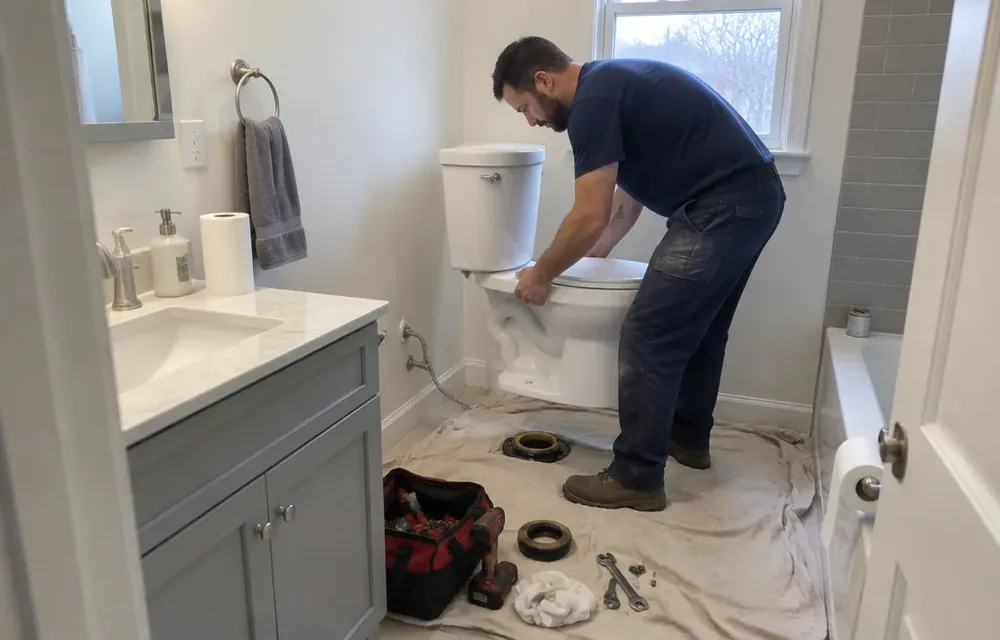
How rocking and flange trouble is handled: a bowl that shifts is lifted only with drop cloths down and the right seal on hand, and the flange is checked for height and integrity before resetting. A cracked tank, a staining bowl that resists cleaning, or a flange that will not hold anchoring moves the talk toward a new toilet rather than another seal. We refill slowly, check joints under pressure, and watch several cycles before leaving.
Gentle homeowner checks help while forcing parts harms
Short answer: dye testing, chain easing, and level notes help while overtightening and harsh chemicals harm. Jiggle the handle once and watch whether running stops, then lift the lid and see whether the chain holds the flapper ajar. Lower an obviously high float a small amount and watch one full cycle.
What you can do safely: keep cleaners out of the tank where they swell seals, wipe the flapper seat lightly, and confirm the stop turns without force before work day. Write down refill timing and whether dye crosses to the bowl, because those two facts choose the parts. Keep the floor at the base dry and recheck after still hours to separate tank seep from base weep.
Waste and harm risk from delay: a toilet that refills on a schedule can waste a large volume straight to the drain without ever puddling, so bills climb while the bath looks normal. Chemicals left in the tank warp seals and void the next part change, and overtight tank bolts crack porcelain that then needs full replacement. A rocking bowl left to shift enlarges the seal gap and can stain the subfloor, so steady observation plus a planned seal visit protects more than repeated handle jiggling.
The service that fixes it
Related services
Related problems
Frequently asked questions
Why does my toilet run every few moments?
Scheduled refills usually mean slow seepage from tank to bowl through a warped flapper or gasket path. Dye in the tank that reaches the bowl without a flush proves the route. Cleaning the seat and renewing flapper plus fill as a set solves most cases. A scored seat that returns within days needs proper parts rather than another washer alone.
Why does the fill valve hiss without stopping?
A fill that never seats often has grit in the diaphragm or a float riding too high toward the overflow. Note the water line against the overflow mark and listen after lifting the float gently. Persistent hiss after level correction points to a tired fill that should be renewed with the flapper as a set.
Can a running toilet raise my water bill?
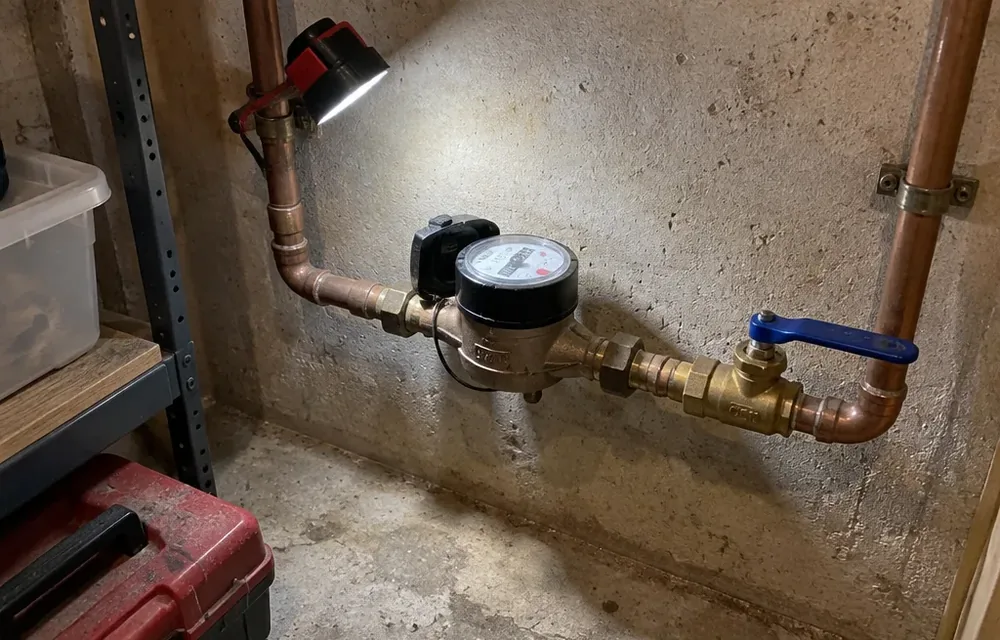
Yes, steady tank-to-bowl seepage wastes water continuously while leaving no puddle to find. A toilet that cycles on a schedule can move a surprising volume over days. Dye testing plus meter watching with fixtures off confirms the share. See high water bill from a hidden leak for the full check order.
Should I repair the toilet or replace it?
Repair fits a sound bowl and tank with available flapper and fill parts and a solid flange. Replacement fits cracks, chronic staining, a wobbling base on a damaged flange, or a design that always clogs. We test flange and stops before recommending either path so the choice rests on condition rather than age alone.
Seeing running toilet?
Call and describe the symptom. A local specialist will tell you the sensible next step.